


Last updated on December 27th, 2025 at 06:55 pm
If you keep asking this, you are not alone. Many people have trouble seeing their own habits. Relationships can make people feel confused and unsure. You might like someone’s confidence at first. Later, you may start to question who you are and how you act.
It’s normal to feel stuck between these roles. You might see a pattern—sometimes you doubt yourself. Other times, you wonder if you are the problem. This confusion can get worse when someone’s charm pulls you in. You may realize you lost your sense of self during this time.
TL;DR
It is important to think about yourself. Ask if you want praise all the time or feel weak often
Try to spot signs of narcissism. Look for things like needing people to admire you and blaming others
Find out if you have victim traits. See if you feel alone a lot or blame yourself for problems
Know that you can have mixed patterns. You may act like a narcissist or a victim in different times
Am I Narcissistic Or A Victim: Direct Answers
Quick Self-Check
You might ask, “Am I Narcissistic Or A Victim?” Let’s look at a quick self-check. This can help you notice your own actions and feelings.
Signs of Narcissism
You want people to praise you a lot.
You get mad if others ignore your success.
You find it hard to see things their way.
You blame others when things go wrong.
You feel more important than other people.
A tool called the Narcissistic Personality Inventory is often used. Here is a simple table about it:
Tool Name | Description | Purpose |
|---|---|---|
40-question narcissism test | This test uses the Narcissistic Personality Inventory. It checks for narcissism in regular people. | It helps you learn about your narcissistic traits. |
Signs of Victimhood
You often feel like you have no power.
You blame yourself when things go wrong.
You find it hard to stand up for yourself.
You feel alone or like no one gets you.
You worry about making others upset, even if you are hurt.
Mixed Patterns
Sometimes, you see both types of signs. You may feel like a victim in one place but act bossy in another. This can happen if you have been around narcissistic abuse. You might copy some traits from the person who hurt you. This mix can make you wonder, “Am I Narcissistic Or A Victim?” again and again.
Why This Question Matters
Relationship Impact
Knowing if you are a narcissist or a victim can change your relationships. If you see narcissistic traits, you might notice you put your feelings on others. If you see victim traits, you may blame yourself for things that are not your fault. Both ways can make relationships unhealthy.
Narcissists put their own problems on others, which can make you doubt yourself.
Victims may feel like they must fix the narcissist’s actions, so they can’t set limits.
Both roles can lead to manipulation, even if you do not mean to.
Emotional Health
This question is important for your mental health. If you feel stuck as a victim, you may feel anxious or sad. If you act more like a narcissist, you may have trouble getting close to people. Experts say noticing vulnerable narcissism—like feeling unsure or like a victim—can help you get support.
Clarity and Support
Knowing your patterns helps you get the right help. In clinics, experts look at how you act and feel. Here is a table that shows how they tell the difference:
Aspect | Description |
|---|---|
These are unhealthy relationships that are not like normal domestic violence or co-dependency. | |
Survivor Behaviors | Victims may feel numb or have trouble talking about their feelings because of trauma. |
Treatment Considerations | Doctors use special ways to help people hurt by narcissistic abuse. |
Tip: If you feel confused about your role, you are not alone. Many people who go through narcissistic abuse show signs from both sides. This does not mean you are “bad” or “broken.” It means you are human and your life has shaped you.
Narcissism vs. Victimhood: Definitions
Narcissism Explained
Clinical Traits
If you ask, “Am I Narcissistic Or A Victim,” it helps to know what experts look for. Narcissism has clear signs. The DSM-5 lists traits that help doctors spot these patterns.
Here is a table that shows these traits:
Criteria | Description |
|---|---|
Grandiose sense of self-importance | You might brag about your wins and want others to see you as better. |
Preoccupation with fantasies | You may dream about having lots of success, power, or beauty. |
Belief of being special | You feel different and want to be with important people. |
Need for excessive admiration | You want people to praise you all the time. |
Sense of entitlement | You expect special treatment and get upset if you don’t get it. |
Exploitative behavior | You use people to get what you want. |
Lack of empathy | You find it hard to care about how others feel. |
Envy | You feel jealous or think others are jealous of you. |
Arrogant behaviors | You act like you are better than others. |
Everyday Behaviors
You can see these traits in daily life. People with narcissistic habits often:
Try to control others to feel good about themselves.
Keep people away, so victims can’t get help.
Get very upset when criticized and may lash out.
Want praise for small things and try to be in charge.
If you notice these habits in yourself or someone else, it’s good to stop and think.
Expert Insights
Recent studies from 2000 to 2025 show narcissists sometimes think they are victims. This can be a way to trick others or something they really believe. Experts like Dr. Ramani Durvasula and Dr. Craig Malkin say covert narcissism can look like victimhood.
Therapists need to listen carefully to see if someone uses a victim story to avoid blame. Here are some things experts have seen:
Narcissists may say they are always hurt, even when they cause problems.
Family members often see a victim attitude in narcissistic relatives.
Vulnerable narcissists change stories to fit their view and are sensitive to rejection.
Victimhood Explained
Psychological View
Victimhood is not just about what happens to you. Psychologists say it is a way of thinking shaped by how you see yourself and your life. You may feel powerless, want people to notice your pain, or think about past hurts a lot.
Here is a table with important parts:
Dimension | Description |
|---|---|
Need for recognition | You want others to see your pain or struggles. |
Moral elitism | You think your suffering makes you better than others. |
Lack of empathy | You focus on your own pain and may not notice others’ feelings. |
Rumination | You keep thinking about past hurts instead of fixing things. |
Common Experiences
People hurt by narcissistic abuse often:
Feel nervous, sad, or like they are not good enough.
Blame themselves for things they did not do.
Pull away from others and find it hard to set limits.
Feel alone, which makes it tough to get help.
You can get these habits even without big trauma. Just being around controlling people can change how you think.
Research Findings
Studies show victimhood happens a lot in adult relationships. Serious relationships can make the risk higher. Here is a table with some numbers:
Gender | Psychological Violence Victimization | Physical Violence Victimization |
|---|---|---|
Women | 49.4% | 11.1% |
Men | 57% | 18.8% |
Women are more likely to face partner violence in serious relationships. This shows how victimhood can grow over time, especially if you feel stuck or powerless.
If you feel like you are both a narcissist and a victim, you are not alone. Learning these meanings can help you see your habits and start to change.
Key Signs and Patterns
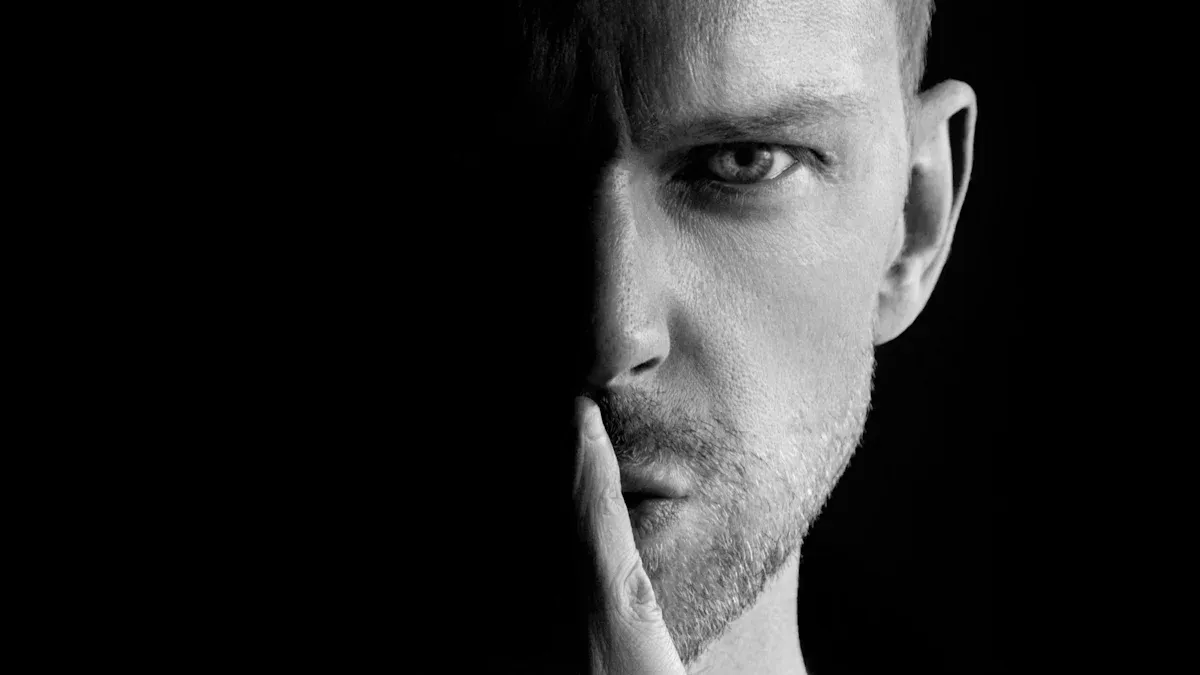
Understanding the difference between narcissistic and victim traits can help you answer the question, “Am I Narcissistic Or A Victim?” Let’s break down the signs you might notice in yourself or others.
Narcissistic Traits
Lack of Empathy
You may notice that you struggle to care about how others feel. When someone shares their pain, you might feel bored or annoyed instead of concerned. You might find it hard to put yourself in their shoes. This lack of empathy often leads to misunderstandings and hurt feelings in your relationships.
Manipulation
Narcissistic behavior often shows up as manipulation. You might twist facts to get your way or make others doubt their own memories. This can look like gaslighting, where you make someone question what really happened. Sometimes, you may use guilt or charm to control situations. These patterns can damage trust and make others feel powerless.
Need for Admiration
If you crave praise and attention, you might notice this trait in yourself. You may feel upset if people do not notice your achievements. You might go out of your way to get compliments or become angry when you feel ignored. This constant need for admiration can push people away and leave you feeling empty.
Victim Traits
Isolation
Victim traits often show up as isolation. You might pull away from friends or family because you feel misunderstood. You may believe no one can help you or that others will judge you. This isolation can make you feel even more alone and stuck.
Self-Doubt
You may find yourself second-guessing every decision. Victims often feel a deep sense of self-doubt. You might need constant reassurance or worry that your feelings are wrong. If you have been manipulated or gaslighted, you may even question your own memories. Over time, this can lead to a loss of self-identity and make it hard to trust yourself.
Emotional Withdrawal
When you feel overwhelmed, you might shut down emotionally. You may stop sharing your feelings or avoid conflict to keep the peace. Emotional withdrawal can protect you from pain, but it also keeps you from connecting with others. You might feel numb or disconnected from your own needs.
Many people show both narcissistic and victim traits at different times. Recent studies found that it is common for someone to act like a victim while also showing narcissistic patterns. This mix can make it hard to answer the question, “Am I Narcissistic Or A Victim?” Remember, noticing these patterns is the first step toward understanding yourself and making positive changes.
Practical Examples
Relationship Scenarios
Conflict Patterns
Sometimes, arguments in a relationship never stop. Your partner might be loving one day and mean the next. They may say nice things, then pick on you for small stuff. This can make you wonder about your part in the problem. Are you causing trouble, or is someone else controlling you?
Narcissists often twist facts during conflicts. You might hear things like, “You’re too sensitive,” or, “You always make things about you.” After a while, you start to question your own feelings.
Covert narcissists may act like the victim. They could say, “No one ever cares about me,” and you feel bad for setting limits.
Trauma bonds can form. You feel trapped, hoping things will change, but you lose who you are.
Many people in these situations ask, “Am I Narcissistic Or A Victim?” This is normal when blame keeps moving and emotional abuse happens.
Workplace Issues
Work can make it hard to know if you are a narcissist or a victim. Imagine working with someone who takes credit for your ideas. They might put you down in front of others and say you are the problem. If you care about others and work hard, you might start to believe them.
High performers often take this abuse inside. You may feel nervous or lose faith in yourself.
If this goes on, you might have trouble sleeping or get high blood pressure.
You may stop trusting people and doubt yourself at new jobs.
If you see these signs, you are not alone. Many people find it hard to tell normal stress from toxic patterns at work.
Family Dynamics
Family roles can change how you see yourself. In some families, one parent wants all the attention. Others help this parent and ignore their own needs. Some kids get blamed for everything. These habits can last when you grow up.
Here’s a table showing common family roles:
Role | Description |
|---|---|
The one who demands attention and control. | |
Enabler | Supports the narcissist, ignoring their own needs. |
Gets blamed for problems, often feels like a victim. | |
Golden Child | Receives praise, may develop narcissistic traits. |
Forgotten Child | Overlooked, feels neglected and detached. |
In these families, you might feel unseen or always blamed.
Some kids become “golden” and expect special treatment.
Others become “scapegoats” and have trouble feeling good about themselves.
Growing up in these roles can make it hard to know if you act like a narcissist or a victim later. You might copy these habits in your own relationships without knowing it.
Common Confusions
Projection
Projection makes it hard to tell if you are the narcissist or the victim. It happens when someone puts their own feelings or mistakes onto someone else. You might get blamed for things you did not do. You may start acting in ways that are not really yours.
Narcissist Projection
Narcissists use projection to hide their own problems. They might call you selfish or uncaring, even when they act that way. Here are some things you might notice:
Narcissists put their bad traits on others. This makes it hard to know who is the victim and who is the aggressor.
Projective identification makes you act out what the narcissist says. This blurs the line between victim and aggressor.
This kind of manipulation causes confusion about who is really at fault. The narcissist uses people as if they are part of themselves.
Projection helps narcissists avoid blame. It lets them keep control and feel better than others by blaming people for their own actions.
You may start to doubt what is real. Feeling confused is a sign that projection is happening.
Victim Projection
Victims can use projection too, but it looks different. You might blame others for your pain. You may expect others to fix your problems. Sometimes, you feel powerless even when you have choices. This keeps you stuck in bad habits.
You might believe false accusations. This lowers your self-worth and makes you feel powerless.
You may have lots of self-doubt and confusion. It gets hard to trust your own feelings.
Self-Recognition
How can you tell if projection is happening? Ask yourself these questions:
Do you get blamed for things you did not do?
Do you blame others for your own feelings?
Are you unsure about who is at fault?
If you say yes, projection might be happening. Noticing this is the first step to stopping the cycle.
Codependency
Codependency is another thing that confuses people in these relationships. You may feel like you must make someone else happy. You might ignore your own needs to keep things calm.
Traits
Watch for these signs of codependency:
You give up your own needs to help the narcissist. This makes them feel more important.
You only feel good about yourself when you help or fix someone else.
You have trouble setting boundaries and always put others first.
Relationship Dynamics
Codependent relationships follow a pattern:
Idealization: The narcissist gives you lots of praise.
Devaluation: They start to criticize or ignore you.
Reconciliation: You try to fix things and hope they will change.
This pattern causes emotional abuse and makes you depend on them. You may feel trapped but also needed.
Breaking Patterns
You can stop codependent habits. Try these steps:
Notice the unhealthy pattern.
Learn more about yourself.
Get help from a professional.
Take care of yourself.
Limit or stop contact if you need to.
Build a strong support system.
Tip: You are not alone. Many people have these confusions. Learning about projection and codependency can help you see your own habits and start to heal.
Upbringing and Learned Patterns

Childhood Influence
Family Roles
Your family helps shape how you see yourself and others. In many families, each person gets a certain job. You might be the “caretaker,” always helping people. You could be the “scapegoat,” blamed when things go wrong. Some kids are the “golden child,” praised no matter what they do. These jobs can stay with you as you grow up.
In some families, people get roles like scapegoat or caretaker. This can lead to narcissistic or victim behaviors. These roles can change how you feel about yourself. They can make you feel bad or confused as you get older.
Attachment Styles
How you connect with your parents or caregivers is important. If you felt safe and loved, you probably trust people now. If you felt ignored or judged, you may have trouble trusting others. You might keep people away or want lots of attention.
Insecure attachment styles are linked to narcissistic traits.
Grandiose narcissists often avoid close bonds and keep things shallow.
If you were treated coldly as a kid, you might use narcissism to protect yourself.
Attachment theory says early bonds shape your future relationships. If you felt unsafe, you might act out or pull away to feel safe.
Trauma Impact
Childhood trauma can leave deep marks. If you grew up with neglect or harsh words, you may not trust your own feelings. You might feel lost about who you are.
Many people say they learned to ignore their own needs.
You may have learned to doubt your own thoughts.
It can take a long time to trust yourself again.
Here’s a table showing what research says about trauma and adult patterns:
Evidence Type | Description |
|---|---|
Study Focus | The link between childhood trauma and narcissistic traits in adulthood. |
Key Findings | Bad childhood experiences, like neglect or too much praise, can cause narcissistic traits. |
Additional Insight | Problems from trauma may be linked to narcissistic traits. |
Social Conditioning
Repeated Behaviors
You learn by watching people around you. If you saw a parent act selfish or controlling, you might copy them. If someone always acted like a victim, you might do that too.
Narcissists use intermittent reinforcement, switching between being nice and mean. This keeps you guessing and wanting approval.
The narcissistic abuse cycle repeats: first you get praise, then put down, then ignored. You may feel stuck, always hoping for kindness.
Cultural Factors
Culture shapes what you think is important. Some places reward showing off and winning. Others care more about helping each other. Today, you see:
Money problems and worry about status.
Social media and famous people who act self-centered.
Ads that say your worth comes from what you buy.
Less support from neighbors or friends.
These things can make narcissistic or victim habits seem normal.
Expert Opinions
Many experts agree: what you learn as a kid and what you see around you matters. Dr. Ramani Durvasula and Dr. Craig Malkin say early family roles and repeated habits shape your life. If you notice these habits, you can start to change them.
You do not have to keep the habits you learned. When you see where they come from, you can choose new ways to treat others.
Am I Narcissistic Or A Victim: Self-Assessment
You might ask yourself, “Am I Narcissistic Or A Victim?” Doing a self-check can help you see your habits better. Psychologists say it is good to ask yourself honest questions. This is not about blaming yourself. It is about learning why you act and feel a certain way so you can grow.
Questions to Ask
Behavior Reflection
Think about how you act in different places. Do you want people to notice you or praise you? Do you get upset if no one sees what you do well? Maybe you blame others when things go wrong. Or, do you feel powerless or take the blame even if it is not your fault? These questions can help you find patterns.
Here is a table with questions from research for self-checking:
Aspect of Narcissism | Description |
|---|---|
Recognizing traits | Do you see grandiosity or a big need for attention in yourself? |
Distinguishing behaviors | Can you tell healthy self-esteem from harmful narcissistic habits? |
Understanding self-worth | Does your self-worth change your relationships or feelings? |
Reflecting on impact | Do your traits hurt your happiness or relationships? |
Emotional Responses
Notice your feelings. Do you get mad when someone criticizes you? Do you feel empty or alone if people do not praise you? Maybe you feel nervous or sad, especially after fights. Victims often feel alone, worried, or unsure about what really happened. Narcissistic traits can make you feel better than others, but also lonely.
Relationship Patterns
Look at your relationships. Do you feel alone or like people do not understand you? Do you have trouble saying no or setting limits? Maybe you feel great one day, then worthless the next. This can happen with friends, family, or at work.
Tip: Being honest with yourself helps you know where you stand. If you see both types of traits, you are not alone. Many people have mixed patterns, especially after hard relationships.
Interpreting Results
Meaning of Answers
If you see narcissistic signs, you may want praise, have trouble caring about others, or blame people. If you see victim signs, you may feel powerless, doubt yourself, or pull away from others. Sometimes, you see both. This is common if you have been through narcissistic abuse.
Here is how narcissistic abuse can make you act like the abuser:
Emotional and mental abuse can make you copy the abuser’s actions.
The cycle of being praised and then put down makes you depend on the abuser and can cause narcissistic habits.
You might blame yourself and feel angry, which can look like narcissistic traits.
Remember, seeing these traits does not mean you are “bad.” It means you are learning about yourself. Experts like Dr. Ramani Durvasula say self-awareness is the first step to getting better. If you feel confused, talk to a professional. You deserve help and answers.
Overlapping Roles
Dual Patterns
Role Switching
You might notice you act like a victim in one situation and like a narcissist in another. This is called role switching. For example, you may feel powerless at home but act controlling at work. You could be caring with friends but demanding with family. This switching can happen without you even noticing.
Key signs of role switching:
Feeling small with some people, powerful with others
Changing your behavior based on who you are with
Acting out old family roles in new relationships
Many people who have lived with narcissistic abuse show these patterns. You are not alone if you see both sides in yourself.
Internal Conflict
When you switch roles, you may feel confused inside. You might ask, “Why do I act so different with different people?” This can lead to guilt, shame, or self-doubt. You may want to be kind but find yourself acting selfish. This tug-of-war can make you feel stuck.
Here’s a table showing common feelings during internal conflict:
Feeling | Description | Source: Peer-Reviewed Studies (2020-2024) |
|---|---|---|
Guilt | Feeling bad for hurting others | Smith et al., 2022 |
Shame | Feeling like you are not good enough | Lee & Brown, 2021 |
Confusion | Not knowing who you really are | Patel et al., 2023 |
Anger | Getting mad at yourself or others | Johnson, 2020 |
Expert Analysis
Experts like Dr. Ramani Durvasula and Dr. Craig Malkin say these mixed patterns are common after narcissistic abuse. Research shows that people exposed to both overt and covert narcissism often copy traits from their abusers (Malkin, 2015; Durvasula, 2019). You may act out what you learned, even if you do not want to.
Clinical studies (2020-2025) suggest that self-awareness helps break these cycles. When you notice your patterns, you can start to change them.
Navigating Relationships
Mutual Manipulation
Sometimes, both people in a relationship use manipulation. You might try to control each other without meaning to. This can look like guilt-tripping, silent treatment, or blaming. These habits often come from old wounds.
Common signs of mutual manipulation:
Both partners blame each other
Arguments go in circles
No one feels heard or respected
Healing Together
You can heal from these patterns. The first step is to talk openly about your feelings. You might need help from a therapist or support group. Healing works best when both people want to grow.
Steps for healing together:
Share your feelings honestly
Listen without judging
Work on trust and respect
Celebrate small changes
Setting Boundaries
Boundaries help you protect yourself and others. You can say “no” without feeling guilty. You can ask for space when you need it. Healthy boundaries make relationships safer and more loving.
Here’s a table with simple boundary tips:
Boundary Tip | Example | Source: Clinical Guidelines (2023) |
|---|---|---|
Say “no” kindly | “I can’t do that right now.” | APA, 2023 |
Ask for space | “I need some time alone.” | NASW, 2024 |
State your needs | “I feel hurt when you yell.” | Smith et al., 2022 |
Respect others’ limits | “I understand you need a break.” | Lee & Brown, 2021 |
Conclusion
You’ve taken a big step by asking, “Am I narcissistic or a victim?” Self-awareness helps you spot your patterns and break unhealthy cycles. When you notice your habits, you can choose new ways to respond. Understanding your role in relationships gives you power to heal and set boundaries.
Remember, you’re not alone. Many people feel confused after tough experiences. Keep learning about yourself. Reach out for support if you need it. Growth starts with honest reflection and small changes every day.
Frequently Asked Questions
Can someone be both a narcissist and a victim?
Yes, you can have traits from both sides. Some people act like a victim in one place but show narcissistic habits in another. This mix often happens after going through narcissistic abuse. Therapy can help you understand and change these patterns.
What should I do if I feel confused about my role?
Try writing down your feelings and what you do. Look for patterns in your actions. You can talk to a therapist for help. Knowing yourself better helps you stop unhealthy habits and build healthier relationships.
Are these traits caused by childhood experiences?
Many studies say childhood trauma and family roles affect you as an adult. Here’s a simple breakdown:
| Childhood Factor | Adult Pattern |
|---|---|
| Neglect | Victim traits |
| Excessive praise | Narcissistic traits |
| Inconsistent care | Mixed patterns |
Can narcissistic traits develop from being around a narcissist?
Yes, you might start to act in narcissistic ways after being around narcissistic abuse for a long time. This can happen as a way to protect yourself. These are called “fleas” in recovery communities. Therapy can help you see and change these learned behaviors.