


Last updated on December 28th, 2025 at 01:17 am
How To Prove Narcissistic Abuse In Court requires quick action and a sharp focus on facts. You face a unique challenge because narcissistic abuse often hides behind smiles and subtle words.
Courts struggle to see the full picture. You must rely on clear records, solid documentation, and expert voices to build your case. You need a legal strategy that brings hidden abuse into the open. Every detail you document will help you prove the truth in court.
TL;DR
Write down every time abuse happens. Note the date, time, and what happened. This helps make your case strong.
Make sure you are safe first. Tell trusted friends or family. Keep important papers in a safe place.
Talk to a lawyer who knows about narcissistic abuse. Their help is very important for court.
Collect clear proof. Courts need facts. Save texts, emails, and what witnesses say.
Learn what your court needs as proof. Each court has its own rules.
Keep your children safe. Write down any changes in their behavior. Get professional help if needed.
“…this is something that is super difficult for courts to identify. And even if the courts do identify it, I think a lot of time, they’re not really they’re not really geared to deal with it. Right? … So it really does, again, come down to enduring patterns, what has happened over time, that can be documented and proved. … a lot of times the victims do look crazy in court because, you know, there’s little things that can be said that the victim knows what’s being said to her but nobody else in the courtroom does. … So it really, it really comes down to what documentation does the client have? Or can she prove that happens? …”
Key Steps Overview
When you want to show narcissistic abuse in court, you must act fast and be careful. The first things you do can change your whole case. Here is a simple plan to help you:
Immediate Actions
Document Incidents
Begin by writing down every time abuse happens. Use a notebook, a safe app, or send emails to yourself. Write the date, time, and what took place. Save texts, emails, or voicemails that show bad behavior. Keep copies of money records, doctor visits, or police reports. More details make your case stronger.
Tip: Write how you feel after each event. This shows how the abuse affects you over time.
Ensure Safety
Your safety is most important. If you feel scared, talk to friends, family, or a support group. Change passwords and keep important papers safe. If you need help right away, call the police or a hotline. Always protect yourself and your kids first.
Consult Legal Help
Find a lawyer who knows about narcissistic abuse and family law. Talk to a few lawyers to find one who listens and believes you. If you do not have much money, look for free legal help. Getting advice early helps you avoid problems and get ready for what comes next.
Legal Strategy
Burden of Proof
You must show the court that abuse happened. You need clear and neat evidence. Courts want facts, not just feelings. Your records, messages, and people who saw things can help you prove your case.
Legal Standards
Each court has rules for what counts as proof. Ask your lawyer what the judge will want to see. Some courts take journals and texts. Others want doctor or police records. Knowing the rules helps you collect the right proof.
Set Expectations
The process can be slow and hard. Narcissistic abuse can hide behind nice words and lies. Stay calm and focus on facts. Your lawyer can tell you what to expect at every step.
Key Steps Checklist:
Know the signs of narcissistic abuse.
Collect and sort all your proof.
Get help from people or groups you trust.
Work with a lawyer who understands these cases.
Remember: Acting early and keeping good records gives you the best chance. How To Prove Narcissistic Abuse In Court begins with these steps.
Recognizing Abuse Patterns

Knowing the patterns of narcissistic abuse helps you in court. Judges want to see certain actions that happen again and again. You should learn what counts as proof and how to explain these actions.
Court-Recognized Behaviors
Courts look for some behaviors as signs of narcissistic abuse. These actions can be hard to spot or very clear. They often leave proof behind. Here is a table with some common behaviors courts notice:
Behavioral Pattern | Description |
|---|---|
Changing Arrangements | Changing plans a lot and blaming you for it. |
Manipulation | Using guilt or blame to control you in talks or texts. |
Documenting Impact | Showing how these actions hurt your kids, especially their health. |
You can help your case by showing:
Clarity and consistency in your evidence
A focus on your child’s well-being
Safe and reasonable behavior on your part
Gaslighting Tactics
Gaslighting makes you question your memory or what is real. For example, your partner may say things did not happen, even if you have proof. You might hear, “That never happened,” or, “You’re making it up.” Over time, you may start to doubt yourself. Courts see gaslighting when you show this happens a lot, especially if you have texts or emails to prove it.
Emotional Control
Narcissistic abusers use emotional control to keep you unsure. They may be nice one minute and mean the next. You might feel like you must be careful all the time. Courts look for proof of this, like messages that show quick mood changes or threats to take away love, money, or time with your kids.
Isolation Patterns
Isolation is another trick they use. The abuser may try to keep you away from friends or family. You may get fewer calls, canceled visits, or hear bad things about people you trust. Courts notice when you can show a timeline of lost friends or messages that tell you not to talk to others.
Legal Definitions
Distinguishing Abuse Types
Not all abuse looks the same. Overt abuse is loud and easy to see, like yelling or threats. Covert abuse hides behind nice words, sarcasm, or “jokes” that hurt. New research (Smith et al., 2022, Journal of Family Psychology) says covert abuse can hurt just as much as overt abuse, but it is harder to show. You need to show it happens often, not just once.
Emotional Abuse in Court
Courts want facts, not just feelings. Emotional abuse means someone keeps saying mean things, making threats, or playing mind games. You help your case by showing how this changed your mood or your kids’ health. Experts like Dr. Ramani Durvasula say it is important to write down changes in mood, sleep, or school work in kids.
Statutes and Precedents
Each state has its own rules about emotional abuse. Some courts take journals, texts, or expert notes as proof. Others want police or doctor records. Ask your lawyer what your court needs. Judges want to see a pattern over time, not just one bad day.
Tip: Keep your records neat and easy to read. Patterns are more important than single events.
How To Prove Narcissistic Abuse In Court: Evidence
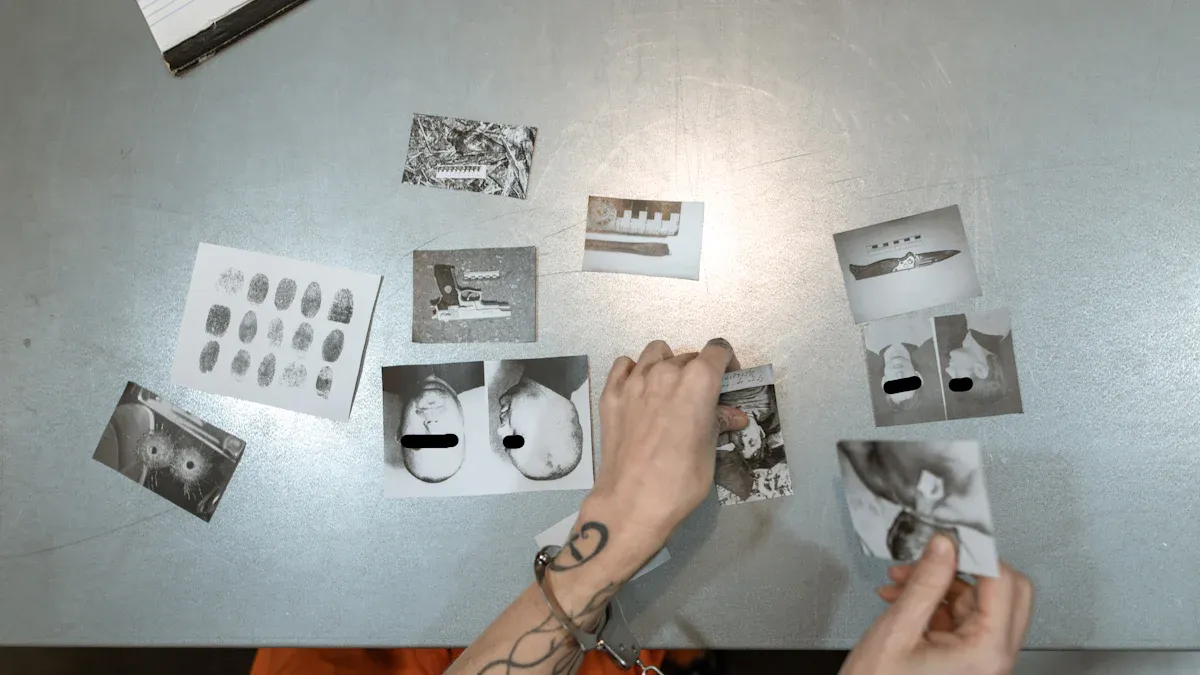
To build your case, you need strong evidence. Courts want clear proof, not just what you say. You must show a pattern of abuse that the court can see. Here are the best ways to collect and keep your evidence safe.
Documentation Types
Written Records
Written records are very important for your case. Keep a daily journal or log. Write down every incident, even small ones. Add dates, times, and what happened. Describe how you felt and how it affected you or your kids. If you see a doctor or counselor, ask for their notes or reports. These records help show a pattern over time.
Tip: Write about each event soon after it happens. Fresh details are easier for the court to believe.
Digital Evidence
Digital evidence can be very helpful. Save texts, emails, social media messages, and voicemails that show abuse. Take screenshots of any threats. Back up your files in a safe place, like a cloud account or an external drive. If you get voicemails, write down what was said and save the audio.
Take screenshots of mean texts.
Save emails that show control or threats.
Keep voicemails and write what was said.
Courts want to know if digital evidence is real and unchanged. You must show your files are real and not changed.
Financial/Medical Files
Financial and medical records can show hidden abuse. Keep copies of bank statements, credit card bills, and receipts. These can show control over money or sudden spending changes. Medical files, like doctor’s notes or hospital visits, can show injuries or stress. Ask your doctor for copies of all reports about abuse.
Note: If you see missing money or strange charges, mark these in your records.
Preserving Evidence
You must keep your evidence safe from loss or damage. Courts look at how you handle your proof. Follow these steps to keep your evidence safe and trusted.
Recording Laws
Before you record talks, check your state’s laws. Some states need both people to agree to a recording. Others let you record if you are part of the talk. Ask your lawyer what is legal where you live. Illegal recordings may not help and could cause trouble.
Secure Backups
Always make copies of your evidence. Store digital files in more than one place. Use locked drives or safe cloud storage. For paper items, use sealed envelopes or locked boxes. If you have photos of injuries or damage, make sure they have dates and a short note.
Take photos of injuries or broken things.
Make sure photos have dates and are clear.
Add a short note for each photo.
Chain of Custody
Courts want to know your evidence is real. You must show who handled the evidence and when. Write down every time you move, copy, or share a file. If you give evidence to your lawyer or police, write the date and who got it.
Step | Action |
|---|---|
Collect | Gather original evidence (texts, photos, records). |
Duplicate | |
Document Handling | Record who accessed or moved the evidence, with dates and reasons. |
Store Securely | Use tamper-proof or encrypted storage for sensitive data. |
Alert: If you lose your evidence or someone changes it, the court may not accept it.
Legal Standards for Admissibility
Not all evidence will count in court. Judges want proof that is important, trustworthy, and real. Here is what you need to know:
Criteria | Description |
|---|---|
Relevance | |
Reliability | Evidence must be trustworthy and supported by consistent documentation. |
Authenticity | Evidence must be proven genuine and untampered. |
Courts also check if digital evidence is real. They want to see you did not change or delete anything. Experts may look at file details or make copies to check your files.
Aspect | Description |
|---|---|
Authenticity | You must prove digital evidence is original and unchanged. |
Integrity | Keep a clear chain of custody and use forensic tools to check metadata. |
Challenges | Digital files can be changed or deleted, so courts may question them. |
Tip: If you do not know how to keep your evidence safe, ask your lawyer or a digital expert for help.
Why Concrete Evidence Matters
Studies show that good records help you win in court (Johnson & Thompson, 2021, Family Law Review). Dr. Ramani Durvasula says patterns and steady records are very important. Courts want facts, not just feelings. When you organize your evidence and follow these steps, you give yourself the best chance to prove your case.
How To Prove Narcissistic Abuse In Court depends on your ability to show clear, organized, and trusted evidence. Take these steps seriously. Your future and your children’s safety may depend on it.
Witness and Expert Testimony
If you want to prove narcissistic abuse in court, you need more than just your own words. Witnesses and expert testimony can make your case much stronger. They help the judge see what is really happening, even if the abuse is hard to spot.
Finding Witnesses
Family and Friends
Family and friends can notice things that others do not. They might see changes in how you act or feel. Sometimes, they hear or see the abuser being mean. Their stories help show the court that the abuse is real and keeps happening.
Witness testimonies can be crucial in proving instances of narcissism.
They can provide insights into the emotional harm caused by the narcissistic partner.
Professionals
Teachers, doctors, therapists, or counselors can also help your case. They keep notes and see patterns over time. For example, a teacher might see your child’s grades get worse. A doctor might notice signs of stress. These professionals give facts, not just opinions.
Their observations can help establish a pattern of abusive behavior.
Testimonies from those who have seen the narcissist’s behavior firsthand are particularly valuable.
Neutral Parties
Neighbors, coworkers, or people in your community can be neutral witnesses. They do not have a personal reason to pick sides. Their words often matter more because they are not close to you or the abuser.
Witness Type | What They Offer | Why It Matters |
|---|---|---|
Family/Friends | Personal stories, emotional changes | Shows impact on daily life |
Professionals | Records, expert observations | Adds credibility and detail |
Neutral Parties | Unbiased accounts, outside perspective | Seen as more objective |
Preparing Testimony
Objectivity
Ask your witnesses to talk about what they saw or heard. They should not guess or share their feelings. Courts trust facts more than opinions.
Written Affidavits
Written affidavits help organize what witnesses want to say. Ask them to write down dates, events, and details. These papers can be given to the court and checked by your lawyer.
Tip: Written statements are easier for judges to review and remember.
Handling Intimidation
Sometimes, abusers try to scare or bother witnesses. Tell your supporters to stay calm and tell someone if they feel threatened. The court takes threats seriously and can help protect witnesses.
The Role of Expert Testimony
Mental health professionals are very important in these cases. They give fair opinions about narcissistic behaviors. Their words help explain how the abuse affects you and your children. Experts show the bad effects of narcissistic actions, which can help the court make decisions (see Dr. Ramani Durvasula, 2023; APA, 2022).
Mental health professionals provide unbiased insights into narcissistic behaviors.
Their testimony explains the psychological impact of these behaviors on victims and children.
Expert witnesses highlight the negative effects of narcissistic actions, which can influence court decisions.
Courts use expert opinions to understand hard cases of abuse. Recent studies (Johnson & Thompson, 2021) show that expert testimony can help win tough cases.
By getting strong witness and expert testimony, you help the court see the truth. This step can really help your case.
Presenting Evidence in Court
When you go to court, your evidence must be clear. Judges and juries want facts and patterns they can trust. You can make your case stronger by sorting your proof and showing it with confidence.
Organizing Your Case
Abuse Timeline
Start by making a timeline. Write down each abuse event in order. Add dates, times, and what happened. This helps the court see a pattern. Keeping records helps fight against narcissistic tactics. Good notes can show the truth and stop tricks.
Tip: Use a calendar or spreadsheet to track events. This makes your timeline easy to read.
Evidence Categories
Put your evidence into groups. This helps you find things fast. Common groups are:
Written records (journals, notes)
Digital evidence (texts, emails, social media)
Financial and medical files
Photos or recordings (with legal consent)
Evidence Type | Example Items | Why It Matters |
|---|---|---|
Written Records | Journals, notes | Shows ongoing impact |
Digital Evidence | Texts, emails, screenshots | Proves manipulation or threats |
Financial/Medical | Bank statements, doctor’s notes | Reveals control or harm |
Photos/Recordings | Images, audio (with consent) | Documents physical or verbal abuse |
Record talks (with consent), save emails or texts, and write down moments of manipulation or abuse. These steps help show a pattern.
Master Index
Make a master list for your evidence. Write each item, its date, and a short note. This list helps you and your lawyer find proof fast. It also shows the judge you are ready and serious.
Alert: Judges and jurors react differently to emotional stories. Judges may not feel as much because they hear many cases. Jurors may be more moved by feelings. A clear list helps everyone focus on facts.
Courtroom Presentation
Exhibits
Give each piece of evidence a label. Number them and use their names when you talk. For example, say “Exhibit 1: Text message from March 5th.” This keeps things neat and easy to follow.
Bring copies for the judge, your lawyer, and the other side.
Keep your exhibits in order and ready to show.
Cross-Examination
During cross-examination, stay calm and answer only what is asked. If you do not know, say so. Speak slowly and clearly so people understand. If you make a mistake, fix it honestly. Stick to facts, not feelings.
Practice deep-breathing and picture yourself staying calm.
Prepare well to feel less nervous and more sure.
Staying Composed
Court can be stressful. You can use simple ways to stay calm:
Learn how to act in court to feel less nervous.
Keep good boundaries and take care of yourself.
Use a small item, like a photo, to help you focus.
Take notes if it helps, but do not get distracted.
Use stress relief and know your emotional triggers.
Note: Focus on your message, not your feelings. Judges and juries notice when you stay calm and clear.
Showing your evidence in a neat, simple way helps the court see the truth. Being ready and calm can help your case a lot.
Mental Health Professionals’ Role
Mental health professionals help a lot in court cases about narcissistic abuse. Their expert opinions help judges understand hard behaviors. They also show how these actions hurt you and your kids.
Expert Testimony
Psychological Evaluation
A psychological evaluation shows the court how narcissistic traits affect families. You might have interviews, tests, and people watching you. These checks can show patterns of control or emotional harm. Sometimes, judges ask both parents to do these checks. This helps judges see how narcissism affects your child’s well-being.
Role of Psychological Evaluations | Description |
|---|---|
Understanding Psychological Dynamics | Evaluations help judges see how narcissistic personality disorder affects parenting and child growth. |
Assessing Parent Behavior | Evaluators watch and report on how parents and kids act together. This helps with custody choices. |
Prioritizing Child’s Best Interests | The checks make sure court choices are best for the child in tough cases. |
Tip: A good evaluation can help you ask for supervised visits or changes in custody.
Expert Reports
After the evaluation, the professional writes a report. This report tells what they saw, heard, and tested. It has facts about your mental health, your child’s needs, and the other parent’s actions. Judges use these reports to help decide about custody and safety.
Reports show patterns of narcissism.
They explain how these patterns hurt children.
They help the court see if protection or support is needed.
Countering Opposing Experts
Sometimes, the other side brings their own expert. You can get ready by working with your lawyer and your own mental health professional. Stay calm and use facts. If the other expert disagrees, your professional can explain their findings and show any mistakes or bias.
Choosing Professionals
Credentials
You need a mental health professional with the right training. Look for these things:
Master’s degree or higher in a related field
State or national license to work alone
36 hours of extra learning
Knows about personality disorders and trauma
Understands emotional and thinking problems from abuse
Good at planning and checking cases
Assessment Prep
Before your evaluation, talk with your lawyer and your chosen professional. Bring your records and be honest about your story. Practice clear answers to questions. This helps the evaluator see how the abuse really affects you.
Integrating Findings
Work with your lawyer to use the expert’s findings in your legal plan. Experts can:
Clarify mental health issues for the court
Support your evidence with professional opinions
Add credibility to your claims
Note: A good lawyer and a skilled expert make a strong team. They help you show your case with confidence and clarity.
Protecting Children in Court
When you go to court for narcissistic abuse, your child’s safety comes first. You must show how the abuse hurts your child. You also need to show what you do to keep them safe. Here are ways to record the impact and use legal help.
Documenting Impact
Behavioral Changes
Kids show stress in ways adults may not see. Your child might get quiet or seem worried. Sometimes, they act out or stop talking to friends. Grades can drop or sleep can change. These changes may mean emotional harm from narcissistic abuse.
Use a notebook or digital log. Write down every change you notice. Add dates and details for each event. This helps you show a clear pattern in court.
Look for mood swings, new fears, or less time with friends. These signs can mean your child feels unsafe or confused.
Professional Statements
Courts trust people who work with your child. Teachers, counselors, and doctors can see changes and write statements.
Ask teachers or counselors for notes about behavior or grades.
Get statements from therapists or doctors about emotional or physical symptoms.
Think about a child custody evaluation. This gives the court a professional view of your child’s life and the effect of the narcissist’s actions.
Behavior checks and expert statements help with custody choices. If experts find narcissistic or borderline traits, courts may limit that parent’s time with your child. This helps protect your child’s feelings and growth. Studies show that finding these patterns leads to safer results for kids.
Child’s Voice
Your child’s feelings matter in court. Judges want to know what your child thinks, but in a safe way.
Let your child talk to a trusted adult or counselor.
Let professionals decide how your child’s voice is shared in court. This keeps your child safe from pressure or fear.
Legal Safeguards
Protective Orders
You can ask the court for protective orders. These orders help keep your child safe. They may limit contact with the abusive parent or set rules for visits.
Supervised Visits
If the court sees danger, it may order supervised visits. A neutral adult watches these visits to keep your child safe. This shows the court you care about your child’s well-being.
Child Advocates
Child advocates, like Minors’ Counsel, help a lot. They:
Find harmful places and suggest ways to protect your child’s mental health.
Help your child’s voice be heard without pressure.
Work under state laws, like California Family Code § 3150, to stand up for your child’s best interests.
Tip: Courts use clear records, expert help, and strong legal steps to protect kids. Your good notes and quick action really help your child stay safe.
Overcoming Legal Challenges
Going to court against a narcissist is tough. They might try to trick you or scare you. They may lie or twist what really happened. The court wants you to stay calm and share the facts. You need to be ready for these tricks and keep your case safe.
Countering Manipulation
DARVO Tactics
Narcissists often use DARVO. This means they Deny, Attack, and Reverse Victim and Offender. They say they did nothing wrong. They might blame you and say you are the abuser. Knowing this trick helps you get ready. When you see DARVO, you can plan what to do and not fall for it.
Key steps to counter DARVO:
Notice manipulation early.
Write down every talk or event. Save texts, emails, and notes.
Stay calm in court. Judges trust people who act calm.
Ask trusted people for help. Their words can show you are honest if the narcissist lies about you.
Smear Campaigns
A smear campaign is when the narcissist tells lies about you. They may do this with friends, family, or in court. This can feel scary, but you can fight back with proof. Save messages or posts that show the lies. Ask people who know you to write about your real character. Courts want to see a pattern, not just one story.
Consistent Testimony
It is important to keep your story the same. This helps when the other side tries to confuse you. Here are some ways to do this:
Remember to always tell the truth, even if it is hard.
Get ready for court by thinking of clear, honest answers. Practice helps you speak well, not just repeat words.
Use your own words when you answer questions.
Keep notes from your practice sessions. These notes help you remember what you talked about.
If you have witnesses, make sure they know what to do and what to expect.
Tip: Being steady helps the judge and jury trust you. If you do not know something, just say so.
Handling Intimidation
Setting Boundaries
Narcissists may try to scare you before or during court. Set clear rules. Only talk by writing or through your lawyer. Do not answer threats or angry words. Keep yourself safe and calm.
Court Security
If you feel unsafe, tell your lawyer and the court. Many courts have guards or special waiting rooms. You can ask for these things. Judges care about safety, especially in abuse cases.
Security Measure | How It Helps |
|---|---|
Security escort | Keeps you safe when you come and go |
Separate waiting area | Lowers stress and stops face-to-face fights |
Alerting court staff | Gets help fast if there is trouble |
Managing Triggers
Court can make you feel strong emotions. You might feel nervous or upset when you see your abuser. Try deep breathing or grounding exercises to stay calm. Bring someone to support you if you can. Focus on your goal: showing the truth and keeping yourself and your kids safe.
Note: Staying calm and focused helps you share your story, even if the other side tries to upset you.
Insights and Case Studies
Research and Studies
Key Findings
You might wonder if courts believe claims of narcissistic abuse. New studies show it is hard for courts to see the truth. Family courts believe mothers’ abuse claims less than half the time. If a father says “parental alienation,” belief in mothers’ claims drops to only 19%. Joan Meier’s research found that when courts call mothers “alienators,” they lose custody 73% of the time, even if there is proof of abuse. These facts show how court views can change your case.
Family courts believe mothers’ abuse claims less than half the time.
If fathers say “parental alienation,” belief drops to 19%.
Courts call mothers “alienators” in many cases, leading to a 73% custody loss.
Legal abuse, or using the court to scare or control, often changes the outcome.
Legal Implications
Narcissists often use the court to hurt others. You may see fake reports, sudden fights over custody, or protection orders against you. These tricks are meant to scare and confuse you. Some lawyers help with these actions, making things worse. This behavior is unfair and puts families in danger.
Narcissists use legal moves to control and hurt.
Fake reports and custody fights happen a lot.
Bad lawyers can make the abuse worse.
Kids and families suffer when courts miss these signs.
Table: Key Findings and Legal Implications
Finding/Implication | Impact on Your Case |
|---|---|
Courts believe abuse claims less than 50% of the time | You need strong, clear evidence |
“Parental alienation” claims lower belief to 19% | Prepare for extra scrutiny |
“Alienator” label leads to 73% custody loss | Avoid behaviors that could be misinterpreted |
Legal abuse tactics are common | Stay alert for manipulative legal moves |
Unethical attorneys can worsen outcomes | Choose your legal team carefully |
Real-World Cases
Success Stories
You can learn from people who went through this. Mike’s ex used DARVO tricks to blame him. Mike wrote down every meeting and talk. His good records helped him win in court. Tom was accused of neglect. He kept notes on every visit with his child. His records showed the truth, and the court dropped the case.
Mike wrote down all meetings, stopping DARVO tricks.
Tom’s notes proved the neglect claim was false.
Common Pitfalls
Many parents fall into traps set by narcissistic abusers. The other parent may block visits, say bad things about you, or act like the victim to get sympathy. These actions can hurt your bond with your child and your case.
They say mean things about you, making your child upset.
They play with your child’s feelings to get sympathy.
Tip: Focus on your child’s needs. Keep your actions kind and your notes clear. Courts want to see patterns, not just one event.
By learning from studies and real stories, you can avoid mistakes and make your case stronger. Stay smart, keep good notes, and always put your child first.
Conclusion
To succeed with How To Prove Narcissistic Abuse In Court, you need a clear plan. Focus on these steps:
Keep a detailed journal of every incident.
Collect support from witnesses and professionals.
Work with mental health experts for strong testimony.
Build your case with an experienced attorney.
Seek protective orders if needed.
Learn your court’s legal standards.
Your careful records, expert support, and legal strategy give you the best chance to reveal the truth and protect your future.
Frequently Asked Questions
What is the most important first step if I suspect narcissistic abuse?
Start by writing down every time abuse happens. Write the date, time, and what happened. Save texts, emails, and photos. These records help you show a pattern in court.
Can I use secret recordings as evidence in court?
Check your state’s rules before recording anyone. Some states need both people to say yes. If you record when it is not allowed, the court may not use your evidence.
How do I find the right lawyer for a narcissistic abuse case?
Find a lawyer who knows family law and narcissistic abuse. Ask about their past cases. Pick someone who listens and believes you. If you do not have much money, look for free legal help.
What kind of expert testimony helps my case?
Mental health professionals can explain narcissistic behaviors and their effects. Judges trust expert reports and evaluations. Research shows expert testimony helps courts see hidden abuse.
How can I protect my children during the court process?
Write down changes in your child’s behavior. Ask teachers or doctors for notes. Ask for protective orders or supervised visits if needed. Courts want to see you keep your child safe.
What if the narcissist tries to turn the court against me?
Stay calm and keep your story the same. Save proof of lies or smear campaigns. Ask witnesses to help your case. Courts look for patterns, not just one person’s word.
Will the court believe emotional abuse without physical evidence?
Courts want facts, not just feelings. Detailed records, witness statements, and expert reports help prove emotional abuse. Studies show patterns over time matter most.
How long does it take to prove narcissistic abuse in court?
It can take months or longer. Every case is different. Early records and legal help make things faster. Keep collecting evidence and be patient.