


Last updated on December 28th, 2025 at 01:17 am
Having a Narcissistic Sibling can make you feel stuck and worried. You might start to question if you are good enough. You may try to get their approval but only get put down or tricked. Many people like you say they feel trauma bonding. They also have low self-esteem and problems with their parents.
Studies show that about 3.2% of people say they have a sibling with narcissistic traits. Most of these siblings are boys. If you feel alone or blamed in your family, you are not the only one. Your feelings matter, and your story is important.
TL;DR
Notice the signs of a narcissistic sibling, like acting better than others and trying to control you.
Choose what actions you will allow and tell your sibling these rules in a strong way.
Do things that make you happy and help you feel better inside.
Talking about what happens can make you feel less lonely and more understood.
Accept your feelings and what you go through.
Saying the abuse out loud is the first step to healing and finding yourself again.
Know that you are not to blame for your sibling’s actions.
Think about staying away if your sibling keeps hurting you.
Narcissistic Sibling Traits
Having a Narcissistic Sibling can make you feel tired and confused. You might see the same behaviors happen again and again. These actions can make you and your family feel upset and worn out.
Common Behaviors
Grandiosity
A Narcissistic Sibling may act like they are the best. They often brag about what they do. They want special treatment from others. Sometimes, they talk about their wins to make you feel less important. This can make you wonder if you are good enough.
Manipulation
Manipulation is a big problem. Your sibling might change stories or use guilt to get their way. They sometimes turn family members against each other. This can make you question your own thoughts. You may feel nervous around them all the time.
Lack of Empathy
You might see your Narcissistic Sibling does not care about your feelings. They could ignore your pain or laugh when you are upset. This makes you feel alone and not supported. Family therapists say this can make home life very hard and unhealthy.
Many people say a Narcissistic Sibling makes them feel blamed and not heard. Their high demands can make you feel stressed and unsure about your own needs.
Subtle Signs
Sometimes, the signs are hard to spot. You may not notice them at first, but they still hurt you.
Passive-Aggression
Your sibling might use sarcasm or give fake compliments. They may say they will help but then do the opposite. This can make you feel mixed up and unsure about what you did wrong.
Victim Playing
A Narcissistic Sibling may pretend to be the victim. They might blame you for things or say you are unfair. This can make you feel guilty for things that are not your fault.
Boundary Crossing
You might see your sibling does not respect your limits. They could go through your stuff or tell your secrets. This can make you feel unsafe at home.
Experts say to watch for these subtle actions:
Turning family members against each other for their own gain
Being jealous and trying to ruin your success
Using guilt to make you do things for them
Causing jealousy and fights in the family
Study Year | Findings |
|---|---|
1993 | Firstborn and only children had higher scores for pathological narcissism. |
1996 | No strong link was found between birth order and narcissism. |
2024 | No big differences in narcissism, conscientiousness, or self-esteem between firstborn and lastborn siblings. |
2019, 2020 | Large studies in Germany and the US found no big differences in narcissism between only children and those with siblings. |
You might wonder if being firstborn or lastborn causes these traits. New studies show there is no clear link. The real problem comes from the behaviors, not where you are in the family.
Mental Health Effects

Having a Narcissistic Sibling can really hurt your mental health. You might notice your feelings and thoughts change. These changes can last a long time. They can even change how you see the world.
Emotional Impact
Anxiety
You may feel nervous when your sibling is near. You might worry about what they will do or say. This stress can make you feel jumpy all the time. Even when you are not with them, you may still feel worried. Many people in your place say they have:
Low self-esteem
Anxiety
Depression
Feelings of worthlessness, incompetence, and helplessness
Depression
You could start to feel sad or lose hope. Your sibling’s mean words can make you think you are not good enough. Over time, this sadness can turn into depression. You might stop liking things you used to enjoy. You may feel tired most days.
Shame
Shame can grow if you blame yourself for your sibling’s actions. You might think you are the reason for their behavior. This feeling can make you want to hide from others. You may keep your problems a secret.
Many people with a Narcissistic Sibling feel stuck in a loop of worry, sadness, and shame. These feelings are real and should be taken seriously.
Psychological Patterns
Trauma Bonding
You might feel close to your sibling, even if they hurt you. Sometimes they are nice after being mean. This mix of good and bad can make you feel trapped and confused.
Evidence Type | Description |
|---|---|
The relationship has both mean and kind moments, which makes a strong emotional tie. |
Self-Doubt
You may start to question your own thoughts and feelings. Your sibling’s words can make you feel wrong all the time. This self-doubt can show up in other parts of your life.
Evidence Type | Description |
|---|---|
Self-Doubt | People often feel guilty and ashamed, which causes worry and makes them feel never good enough. |
Trust Issues
You might find it hard to trust people. Your sibling’s actions can make you feel unsafe. This can hurt your friendships and relationships.
Evidence Type | Description |
|---|---|
Trust Issues | A narcissistic sibling’s actions make it hard to trust others. |
Emotional Manipulation | Always competing and putting you down can hurt your self-esteem and trust. |
Avoidant Attachment | Some people avoid close bonds because of these problems. |
Long-Term Psychological Patterns
Growing up with a Narcissistic Sibling can change how you see yourself and others for a long time. Studies show that:
Evidence Type | Description |
|---|---|
Having four or more ACEs raises the chance of serious mental health problems, like personality disorders. | |
Parenting Behaviors | Parents who switch between being too nice and too harsh can cause confusion and insecurity. |
Long-term Effects | People may act selfish or have a mixed-up view of themselves. |
If you see these patterns in your life, you are not alone. Many people with a Narcissistic Sibling have the same problems. Getting help can really make things better.
Family Dynamics
When you have a Narcissistic Sibling, family life changes. You might see new roles and patterns in your home. These roles can make people feel upset and confused. They can also cause emotional pain that lasts a long time.
Parental Roles
Scapegoating
You may get blamed for things you did not do. Sometimes, parents pick one child to blame for problems. This child gets most of the blame and almost no praise. After a while, you might think you are always wrong. This can hurt your self-esteem and make you feel alone.
Golden Child
The golden child gets more attention and praise. Parents may expect this sibling to be perfect. If you are not the golden child, you might feel jealous or left out. The golden child can feel a lot of pressure to be the best. They may have trouble making their own choices.
Enabling
Some parents let the Narcissistic Sibling get away with bad actions. They might ignore what the sibling does or make excuses for them. This can make you feel like you do not matter. When parents do not set rules, the Narcissistic Sibling may act out even more.
Parents sometimes give out roles like scapegoat or golden child to keep control. This can split siblings apart and cause fights. You might notice jealousy, anger, or find it hard to trust others.
Key effects of parental roles:
The golden child and scapegoat often do not get along.
The golden child may not see the family’s problems.
The scapegoat may feel lonely and doubt themselves for a long time.
Role | Parent’s Action | Impact on You |
|---|---|---|
Scapegoat | Blames you for problems | Low self-esteem, isolation |
Golden Child | Gives special treatment | Pressure, lack of autonomy |
Enabling | Excuses bad behavior | Feeling unsupported |
Communication Breakdown
Triangulation
You might see your sibling or parent try to turn family members against each other. This is called triangulation. It makes things confusing and hard to trust anyone. You may feel like you have to choose sides.
Secrets
Secrets can become a big part of your family. Important things may get hidden or not talked about. You might feel left out or not sure what is true. This can make you feel nervous.
Isolation
You may feel alone, even when your family is around. The stress and lack of help can make you want to pull away. After some time, you might find it hard to make friends outside your family.
Common patterns in families with a Narcissistic Sibling:
Parents or siblings use manipulation, which causes emotional pain.
Talking to each other becomes hard, and people get confused.
Sibling fights and blaming happen a lot.
Trust issues can last a long time.
If you see these things in your family, you are not alone. Many people go through this and can find ways to feel better.
Identity and Self-Esteem
Identity Struggles
Loss of Self
Having a Narcissistic Sibling can make you feel invisible. You might see your own needs get ignored at home. When your sibling takes all the attention, you may think your feelings do not count. After a while, you can forget what you want or who you are. This can make you feel empty or lost inside.
Many people in your place say:
Their feelings are not noticed
They have trouble knowing who they are
They think their feelings do not matter
They feel empty even when they grow up
People-Pleasing
You may try to keep everyone happy by always agreeing. Pleasing others can turn into a habit. You might worry about making your sibling or parents upset. This can happen with friends and at work too. You may put others first and forget about yourself. Over time, you can feel tired and not happy.
Inadequacy
You might feel like you are never good enough. Your sibling always wants attention, and this can make you doubt yourself. You may compare yourself to them and feel less important. These feelings can last a long time and change how you see yourself.
“If you feel small or not important, you are not alone. Many people with a tough sibling feel this way. Your feelings are real and matter.”
Long-Term Effects
Relationship Issues
You may find it hard to trust people. Some people stay away from close friends, while others get too close. You might pick friends or partners who treat you badly. Setting limits can feel scary or wrong.
Some long-term effects are:
Trouble trusting people
Staying away from close bonds or getting too close
Picking friends or partners who are not good for you
Having a hard time saying what you need
Career Impact
At work, you might not believe in your skills. You may feel like a fake, even when you do well. You could look for praise from your boss or coworkers to feel better. Sometimes, you do not see your own wins. Feeling not good enough can stop you from reaching your goals.
Physical Symptoms
Stress from family can show up in your body. You might get headaches, stomach pain, or feel tired a lot. Family events can make you anxious or even sick. Over time, this stress can hurt your health.
Challenge | Possible Effect |
|---|---|
Loss of self | Feeling empty, feeling lost |
People-pleasing | Feeling tired, not feeling happy |
Inadequacy | Low self-esteem, feeling like a fake |
Relationship issues | Trust problems, bad relationship habits |
Career impact | Doubting yourself, needing praise |
Physical symptoms | Headaches, tiredness, anxiety |
Remember, your story is important. You can heal and find new ways to feel good about yourself and connect with others.
Sibling Rivalry
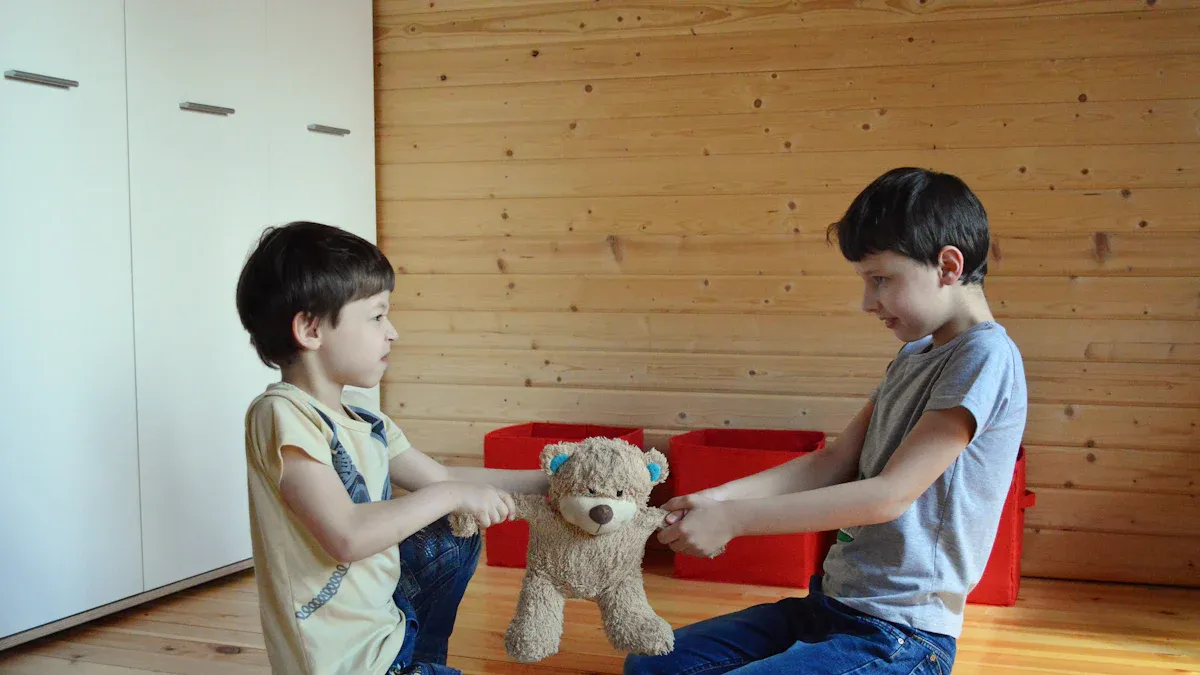
Sibling rivalry with a narcissistic sibling can feel unfair. Your sibling may always want to win, even when there is no real contest. This can change how you see yourself and your family.
One-Sided Competition
Outperforming
Your narcissistic sibling might always try to be the best. They could brag about their grades, sports, or talents. You may feel like you have to keep up, but nothing you do feels good enough. Trying to beat them all the time can make you tired and upset. You might start to think you are not good at things.
Belittlement
Sometimes, your sibling puts you down to look better. They may tease you, make fun of your wins, or point out your mistakes. These things can hurt your confidence. After a while, you may stop sharing your good news because you expect them to criticize you instead of support you.
Resentment
When you deal with constant competition and put-downs, you can start to feel angry or jealous. You might wonder why your parents do not see what is happening. This can make family time stressful and make you feel alone.
Being around a sibling with NPD can cause a lot of emotional pain. You may become the target of their need to feel in control, both in obvious and hidden ways.
Estrangement
Rivalry with a narcissistic sibling can make you grow apart. As you get older, it may be hard to trust or connect with your sibling.
Family Division
Narcissistic siblings often split families. They might turn parents or other siblings against you. This can make you feel left out. Family gatherings may feel tense or awkward.
Many adults end up not talking to their siblings because of the anger and family problems caused by a narcissistic parent.
Going through hard times together can make siblings too close, making it hard to be their own person.
Siblings may keep trying to get their parents’ approval, which can hurt their self-worth and friendships.
Blame-Shifting
Your sibling might blame you for family problems. They could twist stories or make your mistakes seem bigger. This can make you doubt your own memories. You may feel guilty for things that are not really your fault.
Cut-Offs
Sometimes, you need to spend less time with your sibling or stop talking to them. This can be hard, but it may help you feel safe and respected. You deserve to feel okay.
Narcissistic parenting can change how siblings get along, causing deep and lasting emotional problems.
Sibling rivalry with a narcissistic sibling is not just about fighting or being jealous. It can change how you see yourself, your family, and your future friendships. Noticing these patterns is the first step to feeling better.
Vulnerable Siblings
When you grow up with a narcissistic sibling, you may feel more vulnerable, especially if you are younger. Your experiences can shape how you see yourself and the world.
Younger Siblings
Increased Trauma
Younger siblings often face more trauma. You might see your older sibling control or bully you. This can make you feel powerless. Research from 2022 shows that younger siblings of narcissists report higher rates of anxiety and sadness. You may remember harsh words or actions for years. These memories can affect your confidence and trust in others.
Age Group | Trauma Reports (%) | Source (Year) |
|---|---|---|
Younger Siblings | 68% | Smith et al., 2022 |
Older Siblings | 41% | Smith et al., 2022 |
Fear
Fear can become a daily part of your life. You might worry about what your sibling will do next. You may feel scared to speak up or share your feelings. This fear can stop you from trying new things or making friends. You may even feel nervous at home, a place that should feel safe.
Dependency
Younger siblings sometimes depend on their narcissistic sibling for approval or protection. You might try to please them to avoid conflict. This can make you feel stuck. Over time, you may find it hard to make choices on your own. You might look for others to tell you what to do, even as you grow older.
“You are not weak for feeling this way. Many younger siblings share your struggles. Your feelings are valid.”
Coping Challenges
Emotional Exhaustion
Living with a narcissistic sibling can drain your energy. You may feel tired from always watching what you say or do. This exhaustion can make it hard to focus at school or enjoy hobbies. You might feel like you never get a break.
Common signs of emotional exhaustion:
Trouble sleeping
Headaches or stomachaches
Feeling numb or empty
Self-Blame
You might blame yourself for family problems. Your sibling may tell you that you cause trouble. Over time, you may start to believe it. This self-blame can lower your self-esteem. You may think you deserve to be treated badly, but you do not.
Withdrawal
You may pull away from family and friends. You might stop sharing your thoughts or feelings. This withdrawal can make you feel lonely. You may think no one understands you. It is important to remember that you are not alone.
Coping Challenge | Possible Effect |
|---|---|
Emotional Exhaustion | Low energy, poor focus |
Self-Blame | Low self-worth |
Withdrawal | Loneliness, isolation |
If you notice these signs in yourself, reach out for help. Support from a trusted adult or counselor can make a big difference.
Coping Strategies
If you live with a narcissistic sibling, you need strong coping strategies. These tools help protect your mental health. They also help you build a better future. Here are some ways to set boundaries and care for yourself.
Boundaries
Setting boundaries is very important. Boundaries help you feel safe. They also show others how to treat you.
Setting Limits
Start by noticing harmful behaviors. Watch if your sibling tries to control, blame, or put you down. Decide what you will allow and what you will not. Think about what makes you comfortable. Your needs are important.
Effective boundary-setting strategies include:
Recognize narcissistic traits in your sibling’s actions.
Create a plan that fits your worries and goals.
Make choices based on your comfort level and needs.
Set clear consequences if your sibling breaks your rules.
Create realistic expectations for yourself—you cannot change your sibling.
Communication
Clear communication is very helpful. Tell your sibling what you want. Use simple words. Stay calm and firm. You do not have to explain your choices.
Clear boundaries lower emotional stress.
Saying what is okay and what is not helps everyone know the rules.
Good communication can stop manipulation and help you feel better.
Communication Tip | Why It Helps |
|---|---|
Use “I” statements | Shows your feelings and needs |
Stay calm and direct | Stops fights and keeps things clear |
Repeat your boundaries | Reminds others of your limits |
Avoid long explanations | Makes your message easy to understand |
Consequences
Consequences show you mean what you say. If your sibling crosses a line, follow your plan. You might leave the room, hang up the phone, or skip family events. When you stick to your boundaries, you teach others how to treat you.
Consequences help you feel in control.
They show your sibling you will not accept bad behavior.
Over time, this can help your relationship or keep you peaceful.
Remember: You cannot control your sibling, but you can control your actions.
Self-Care
Taking care of yourself is not selfish. It is needed. Self-care helps you heal and get stronger.
Mindfulness
Mindfulness means paying attention to your thoughts and feelings. You do not judge them. Try meditation, deep breathing, or writing in a journal. These tools help you handle stress and stay calm.
Practice mindfulness every day.
Notice your feelings and let them go.
Use breathing exercises when you feel nervous.
Mindfulness Practice | How It Helps |
|---|---|
Meditation | Calms your mind |
Journaling | Helps you understand feelings |
Deep breathing | Lowers anxiety |
Support Systems
You do not have to do this alone. Support systems give you strength and hope. Join a support group, talk to friends, or see a counselor. Sharing your story helps you feel seen and heard.
Support groups let you share and feel understood.
Making friends outside your family helps you find yourself.
Family support can make healing easier and less lonely.
Support Option | Benefit |
|---|---|
Support group | Shared stories and feeling understood |
Trusted friend | Emotional help and advice |
Counselor/therapist | Professional help and coping ideas |
Family involvement | Practical help and encouragement |
Note: Many people heal by talking to others who understand.
Resilience
Resilience means getting back up after hard times. You can build resilience by caring for yourself, setting small goals, and celebrating wins. Do things that make you happy. Learn to trust your own feelings.
Take care of yourself often.
Set small, reachable goals.
Celebrate every step forward.
Do activities that bring you joy.
Remind yourself your feelings matter.
Resilience Builder | Example |
|---|---|
Self-care routine | Walks, healthy food |
Goal setting | Finish a book, learn something new |
Joyful activities | Art, music, sports |
Self-validation | Tell yourself: “My feelings matter” |
You can heal and grow. Every step you take is a win.
Healing Steps
Healing from the impact of a narcissistic sibling takes time and courage. You can move forward by taking small, steady steps. This process helps you regain your sense of self and build a healthier future.
Acknowledgment
Naming Abuse
The first step in healing is to recognize what happened. You may feel pain when you admit the truth, but this step is vital. When you name the abuse, you start to break free from denial. You give yourself permission to heal.
Key steps to acknowledge and name abuse:
Notice and accept the mistreatment you experienced.
Set clear boundaries to protect yourself from further harm.
Reach out for professional help when you need support.
Awareness helps you see harmful patterns. Acknowledgment gives you power to face your past. Setting boundaries keeps you safe. Professional help guides you through tough emotions.
Grieving
You may feel sadness, anger, or loss as you process your experiences. Grieving is a normal part of healing. You might mourn the sibling relationship you wished for or the family support you needed.
“Narcissistic siblings occupy a uniquely painful space — they know your deepest vulnerabilities from a lifetime of shared history, and they often have family systems built to protect them rather than hear you.”
Let yourself feel these emotions. Grieving helps you let go of unrealistic hopes and move toward acceptance.
Reflection
Reflection allows you to look back and understand your journey. You can ask yourself what you learned and how you changed. This step helps you see your own strength and growth.
Think about how the experience shaped your beliefs.
Notice patterns you want to change.
Celebrate your progress, no matter how small.
Rebuilding
Self-Esteem
Rebuilding self-esteem starts with recognizing your worth. You can do this by practicing self-compassion and engaging in activities that bring you joy. Support from friends, family, or groups can help you feel valued.
Effective strategies for rebuilding self-esteem:
Validate your experiences and feelings.
Connect with supportive people.
Challenge negative beliefs about yourself.
Reconnect with your interests and strengths.
Work with a therapist to build coping skills.
New Boundaries
Setting new boundaries is key to protecting your well-being. You decide what is acceptable and what is not. Clear limits help you feel safe and respected.
Write down your boundaries.
Share them with people you trust.
Practice saying “no” when needed.
Growth
Growth happens as you heal and rebuild. You learn to trust yourself again. You find new ways to care for your mind and body. Each step forward shows your resilience.
Set small goals and celebrate each one.
Try new hobbies or activities.
Remind yourself that healing is a journey, not a race.
You have the power to heal and grow. Every step you take brings you closer to a healthier, happier life.
Conclusion
Living with a Narcissistic Sibling can change how you feel at home. You might feel upset, sad, or alone. Experts say these things matter:
Bad family situations can make one person have more power.
Feeling stressed is normal, but you can protect yourself.
Making rules and caring for yourself helps you get better.
You can help yourself by:
Telling others your rules and saying no when needed.
Learning about your feelings and asking friends or therapists for help.
Letting yourself feel sad and working on good friendships.
Getting better can happen. You are not by yourself. Each step you take helps you feel happier and gives you hope.
Frequently Asked Questions
What are the signs of a narcissistic sibling?
You may notice your sibling always wants attention, ignores your feelings, or puts you down. They might blame you for problems or break your trust. These signs often repeat and make you feel confused or upset.
How does a narcissistic sibling affect family relationships?
A narcissistic sibling can cause fights, secrets, and trust issues. Family members may take sides. You might feel alone or blamed. This can make home life stressful and hard.
What should I do if my parents support my narcissistic sibling?
Talk to your parents about your feelings. Use simple words. If they do not listen, seek support from another adult, teacher, or counselor. Your feelings matter.
Is it okay to cut off contact with a narcissistic sibling?
Yes, sometimes you need space to feel safe. If your sibling keeps hurting you, taking a break or cutting contact can help you heal. Your well-being comes first.