


Last updated on February 11th, 2026 at 04:34 am
Is Lance Armstrong a narcissist? The evidence says yes. After the USADA stripped his seven Tour de France titles in 2012, a pattern emerged that psychologists recognize instantly: grandiose self-promotion, pathological lying under oath, systematic destruction of whistleblowers like Emma O’Reilly and Betsy Andreu, and zero genuine remorse during his Oprah Winfrey confession. Armstrong didn’t just cheat.
He weaponized his Livestrong Foundation to deflect criticism, sued journalists like David Walsh for telling the truth, and called accusers “prostitutes” and “alcoholics.” Dr. Joseph Burgo analyzed Armstrong’s behavior for Psychology Today and identified textbook narcissistic defense mechanisms rooted in childhood abandonment.
The 202-page USADA Reasoned Decision, testimony from 26 witnesses including Tyler Hamilton and George Hincapie, and Armstrong’s own admissions provide documented proof. If you’re researching narcissistic traits because someone in your life operates like Armstrong, this analysis shows exactly how the false self works, how narcissists destroy truth-tellers, and why the mask eventually slips. Armstrong stands among the most scrutinized famous narcissists in sports history.
TL;DR
Documented Narcissistic Traits
Armstrong displays 15 narcissistic behaviors confirmed through USADA depositions, victim testimonies, and his January 2013 Oprah confession, including grandiosity, pathological lying, and complete lack of empathy toward those he harmed.
Systematic Witness Destruction
He didn’t just deny doping. He called Emma O’Reilly a “prostitute,” attacked Betsy Andreu for years, sued David Walsh for libel, and used legal intimidation to silence anyone who told the truth.
Narcissistic Non-Apology
During the Oprah Winfrey interview, psychologists noted flat affect, focus on his own losses rather than victims’ suffering, and moral disengagement when he redefined “cheating” to exclude his own behavior.
Expert Psychological Analysis
Dr. Joseph Burgo identified Armstrong’s narcissism as a defense mechanism against deep unconscious shame, rooted in father abandonment at age two, creating an idealized false self and “winners vs. losers” worldview.
Dark Triad Connection
Academic research links Armstrong’s patterns to narcissism, Machiavellianism, and psychopathy. A peer-reviewed study in the Scandinavian Journal of Medicine & Science in Sports found narcissistic sports leaders lack empathic concern and use manipulation for dominance.
Legal Reckoning Proves the Pattern
The $5 million DOJ False Claims settlement, UCI lifetime ban, £300,000 returned to David Walsh, and ~$10 million SCA Promotions repayment confirm Armstrong lied under oath while destroying innocent people.
Victims Were Vindicated
Betsy Andreu, Emma O’Reilly, David Walsh, and Tyler Hamilton all faced years of attacks before documented truth broke through Armstrong’s armor. The mask slips. It always does.
Disclaimer: This is commentary based on observable public behavior, not a clinical diagnosis. No individuals mentioned have been formally diagnosed with narcissistic personality disorder. I am not a medical professional. This represents my opinion only.
The 15 Narcissistic Traits Lance Armstrong Displayed
Documented Evidence From Legal Proceedings and Victim Accounts
Based on documented evidence from legal proceedings, victim accounts, and psychological analysis:
| # | Trait | Documented Evidence |
|---|---|---|
| 1 | Grandiose self-importance | Positioned himself as cycling itself; dismissed competitors’ achievements |
| 2 | Pathological lying | 15+ years of deception under oath, to media, to teammates |
| 3 | Exploitation of relationships | Coerced teammates into doping; used people for personal gain |
| 4 | Complete lack of empathy | Cold responses to victims; no genuine restitution |
| 5 | Vindictive rage when challenged | Destroyed Emma O’Reilly, Betsy Andreu, David Walsh for telling truth |
| 6 | Sense of entitlement | Believed rules did not apply to him; redefined “cheating” |
| 7 | Need for constant admiration | Used cancer story; built hero mythology |
| 8 | Arrogant behaviors | Called accusers “crazy,” “prostitute,” “alcoholic” |
| 9 | Interpersonal exploitation | Used Dr. Michele Ferrari, Thom Weisel, teammates for personal gain |
| 10 | Gaslighting | Made truth-tellers appear mentally unstable |
| 11 | Character assassination | Legal attacks, smear campaigns against whistleblowers |
| 12 | False self construction | Manufactured public persona contradicted by private behavior |
| 13 | Blame-shifting | “I did not invent the culture” (deflected responsibility to system) |
| 14 | Moral disengagement | Rationalized cheating as “level playing field” |
| 15 | Narcissistic shield | Used Livestrong Foundation to deflect criticism |
The Manufactured Hero Versus Documented Reality
The Gap Between Public Persona and Private Cruelty
Armstrong built a persona so powerful it protected him for over a decade. Cancer survivor. Seven-time Tour de France champion. Livestrong founder raising hundreds of millions for charity. The story was, as he admitted to Oprah Winfrey in January 2013, “one big lie that I repeated a lot of times.”
“It was this mythic perfect story, and it wasn’t true.”— Lance Armstrong, Oprah Interview, 2013
Journalist Juliet Macur of The New York Times covered Armstrong for years. She noted he was likable but also harsh. That gap between public friendliness and private cruelty? Survivors of narcissistic abuse know it well. Understanding why narcissists lie so persistently helps explain how Armstrong maintained his fraud for so long.
| The Manufactured Image | The Documented Reality |
|---|---|
| Cancer warrior inspiration | Used illness story to deflect doping accusations |
| Charitable humanitarian | Weaponized Livestrong against accusers |
| Wrongly persecuted athlete | Architect of “most sophisticated doping program sport has ever seen” (Wheelmen, Wall Street Journal) |
| Reformed truth-teller | Confessed only when denial became impossible |
| Team leader | Coerced teammates: dope or lose your career |
| Innocent of worst accusations | Called Emma O’Reilly “prostitute” and “alcoholic” |
Daniel Coyle, co-author of The Secret Race with Tyler Hamilton, put it bluntly:
“Lance is smart, charismatic, incredibly hardworking, and he does a lot of good works, especially within the cancer community. All that has led most of us to the misimpression that he’s saintlike or even cuddly. He’s not, by a long shot.”— Daniel Coyle, Wall Street Journal
Wall Street Journal reporters Reed Albergotti and Vanessa O’Connell documented the full conspiracy in their book Wheelmen, revealing how sponsors, team owners, doctors like Dr. Michele Ferrari, and cycling officials concealed what they called “the most sophisticated, professionalized and successful doping program that sport has ever seen.”
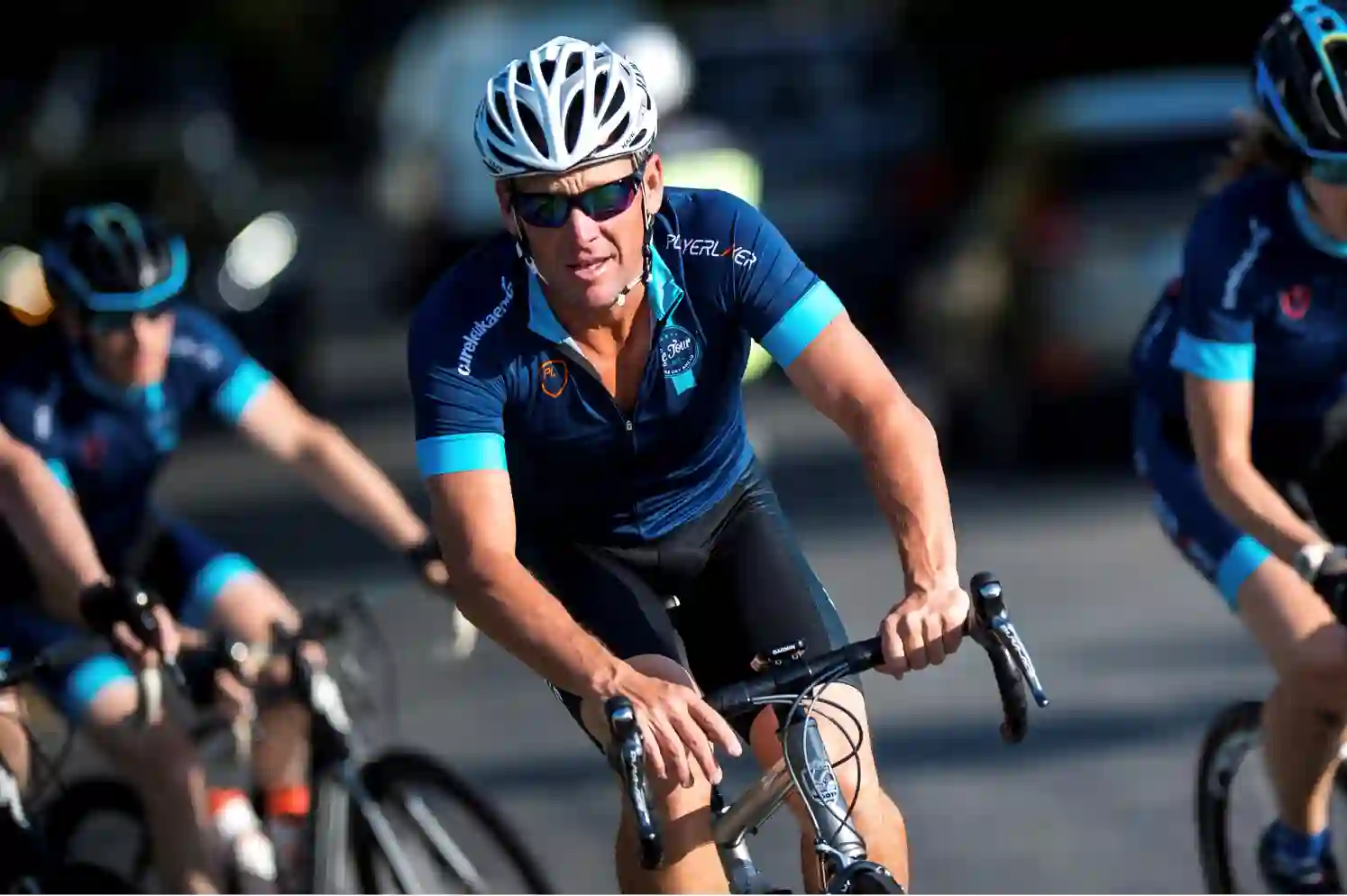
Armstrong’s persistent arrogance and refusal to accept genuine accountability showcase narcissistic defenses and ego protection. His emotional detachment reflects the shallow affect common in narcissistic personalities.
What Armstrong Admitted And What His Words Reveal
The January 2013 Confession
Armstrong’s January 2013 Oprah Winfrey interview was broadcast globally, with The Guardian providing live analysis as millions watched. Two words ended fifteen years of denial:
“I doped.”
He admitted using EPO, blood transfusions, testosterone, cortisone, and human growth hormone throughout all seven Tour de France victories. But watch how he framed these admissions. Here is where narcissistic patterns show up clearly.
When Oprah asked if it felt wrong:
“Did it feel wrong? At the time? No.”— Lance Armstrong, Oprah Interview, 2013
When she pressed on whether he considered it cheating:
“I looked up the definition of cheat, and it is to gain an advantage over a rival or foe, and I didn’t view it that way.”— Lance Armstrong, Oprah Interview, 2013
That intellectual move of redefining cheating rather than acknowledging harm? Moral disengagement. Narcissistic individuals do not just lie about facts. They reconstruct reality itself.
“I didn’t invent the culture, but I didn’t try to stop the culture.”— Lance Armstrong, Oprah Interview, 2013
That statement tells you everything. He positioned himself as passive participant rather than architect of organized fraud. This is classic narcissist blame-shifting in action.
The Confession That Was Not
Psychologists analyzing the interview spotted narcissistic non-apology characteristics throughout:
- Flat affect when discussing destroyed lives
- Focus on his own losses (titles, sponsors) rather than victims’ suffering
- Controlled the story throughout
- No concrete plan for victim restitution
- Minimized harm while technically admitting facts
He has since called himself “narcissistic” in interviews and stated:
“I would be apoplectic if my kids did what I did.”— Lance Armstrong
Some see this as self-awareness. I see damage control. The question of whether narcissists know they are narcissists remains debated. But self-awareness without meaningful action toward those harmed is just another performance.
Timeline of Narcissistic Behavior
Documented Incidents From 1996-2018
Hospital Admission Drug Confession
During cancer treatment at Indiana University Hospital, Armstrong admitted to doctors he had used EPO, testosterone, growth hormone, and steroids. Betsy Andreu witnessed this confession.
“Early in my career, I saw that many top riders used drugs. I felt I could not compete without them.”
— George Hincapie, NPR 2013
Clinical Insight: This moment reveals the cognitive dissonance narcissists maintain—confessing privately while building a public hero narrative. The cancer story would later become his shield against accusations.
Seven Tour de France Victories Built on Fraud
Armstrong won all seven consecutive Tours while running what USADA called “the most sophisticated, professionalized and successful doping program that sport has ever seen.”
“It was this mythic perfect story, and it wasn’t true.”
— Lance Armstrong, Oprah Interview 2013
Clinical Insight: Grandiose narcissists do not just achieve success—they rewrite reality to maintain supremacy. Armstrong positioned himself as cycling itself, dismissing all competitors’ achievements.
Character Assassination of Emma O’Reilly
After team masseuse Emma O’Reilly told the truth about doping to journalist David Walsh, Armstrong publicly called her a “prostitute” and “alcoholic.”
“Probably the worst thing he did.”
— Armstrong admitting his treatment of O’Reilly, ESPN LANCE 2020
Clinical Insight: Narcissistic rage manifests as disproportionate cruelty toward truth-tellers. O’Reilly’s accurate testimony triggered vindictive destruction that lasted years—she never received meaningful restitution.
David Walsh Lawsuit Victory
Armstrong sued Sunday Times journalist David Walsh for libel and won £300,000—money Walsh had to return only after Armstrong’s 2013 confession proved Walsh was right all along.
“Lance is smart, charismatic, incredibly hardworking… All that has led most of us to the misimpression that he’s saintlike or even cuddly. He’s not, by a long shot.”
— Daniel Coyle, Wall Street Journal
Clinical Insight: Narcissists weaponize legal systems to punish those who threaten their false self. Armstrong used his resources to financially devastate a journalist who was accurately reporting the truth.
Weaponizing Livestrong Against Accusers
Armstrong used his cancer charity foundation to deflect doping accusations, positioning himself as a humanitarian while destroying whistleblowers behind the scenes.
“I didn’t invent the culture, but I didn’t try to stop the culture.”
— Lance Armstrong, Oprah Interview 2013
Clinical Insight: The “narcissistic shield”—using good works as protective armor while maintaining exploitative behavior. Livestrong raised hundreds of millions but functioned as reputation management, not genuine altruism.
Floyd Landis Whistleblower Case
Former teammate Floyd Landis initiated a False Claims Act lawsuit, revealing Armstrong’s fraud violated the $32 million U.S. Postal Service sponsorship agreement.
“The proof shows Lance Armstrong did more than use drugs. He gave them to his teammates… If they did not, he would replace them.”
— USADA Reasoned Decision, 2012
Clinical Insight: Coercive control over teammates demonstrates interpersonal exploitation. Armstrong did not just participate in doping—he enforced it through career threats, classic narcissistic dominance.
USADA 202-Page Reasoned Decision
USADA CEO Travis Tygart’s investigation collected sworn testimony from 26 witnesses, including 15 professional riders. The evidence was called “conclusive and undeniable.”
“Armstrong deserves to be forgotten in cycling.”
— Pat McQuaid, UCI President
Clinical Insight: When the narcissistic false self faces irrefutable evidence, collapse becomes inevitable. Twenty-six witnesses destroyed Armstrong’s constructed reality through documented testimony.
UCI Lifetime Ban and Title Stripping
Union Cycliste Internationale stripped all seven Tour de France titles and imposed a lifetime ban on Armstrong. International governing body confirmed USADA findings.
“Did it feel wrong? At the time? No.”
— Lance Armstrong, Oprah Interview 2013
Clinical Insight: Even facing total professional destruction, Armstrong maintained moral disengagement. The flat affect during his confession revealed absence of genuine remorse—only damage control.
Oprah Confession Without Accountability
Armstrong admitted to doping on global television but exhibited narcissistic non-apology characteristics: flat affect discussing destroyed lives, focus on his losses rather than victims’ suffering, controlled narrative throughout.
“I looked up the definition of cheat, and it is to gain an advantage over a rival or foe, and I didn’t view it that way.”
— Lance Armstrong, Oprah Interview 2013
Clinical Insight: Narcissists confess only when denial becomes impossible, and even then, reconstruct reality to minimize harm. Armstrong redefined “cheating” intellectually rather than acknowledging the devastation he caused.
DOJ False Claims Settlement – $5 Million
Armstrong settled federal fraud allegations for $5 million after the government sought $100 million. The settlement confirmed his doping violated sponsorship agreements.
“I would be apoplectic if my kids did what I did.”
— Lance Armstrong
Clinical Insight: Self-awareness without meaningful victim restitution is performative damage control. Armstrong’s acknowledgment came only after legal pressure, not genuine accountability.
Armstrong built a persona so powerful it protected him for over a decade. Cancer survivor. Seven-time champion. Livestrong founder raising hundreds of millions. As he admitted to Oprah in 2013: “It was this mythic perfect story, and it wasn’t true.” That gap between public admiration and private cruelty? Survivors of narcissistic abuse recognize it immediately.
How Armstrong Destroyed Truth-Tellers
Here’s where you see narcissistic abuse in its purest form. And where survivors recognize their own experience. Armstrong’s behavior shows that narcissists are bullies who use their resources to intimidate and silence.
Emma O’Reilly
A team masseuse who provided Armstrong with cortisone cream and helped conceal doping. When she told the truth to journalist David Walsh for his book L.A. Confidentiel, Armstrong publicly called her a “prostitute” and an “alcoholic.”
In Marina Zenovich’s ESPN documentary LANCE (2020), Armstrong admitted his treatment of O’Reilly was “probably the worst” thing he did. Yet she never received meaningful restitution.
Betsy Andreu
She witnessed Armstrong admit to doctors during cancer treatment in 1996 that he had used EPO, testosterone, growth hormone, and steroids. She testified truthfully.
He spent years attacking her credibility, her marriage, and her husband Frankie Andreu’s career. She received death threats. Her family faced financial devastation.
When Betsy confronted Armstrong about destroying her family’s life, his response was cold and dismissive. No emotional recognition of harm. Pure empathy deficit. This relentless attack on accusers is textbook narcissistic character assassination.
David Walsh
The Sunday Times journalist pursued Armstrong for over a decade. Armstrong sued him for libel and won £300,000. Money Walsh had to return only after Armstrong’s confession proved Walsh had been right all along.
The Victims: A Documented Record
Emma O’Reilly / Team Masseuse
Truth She Told: Doping details to David Walsh for L.A. Confidentiel
Armstrong’s Response: Called her “prostitute” and “alcoholic” publicly
Long-Term Impact: Years of public humiliation; no restitution even after Armstrong admitted she told the truth
Betsy Andreu / Witness to 1996 Hospital Admission
Truth She Told: Testified that Armstrong admitted to doctors he used EPO, testosterone, growth hormone, and steroids during cancer treatment
Armstrong’s Response: Years of character assassination targeting her credibility, marriage, and husband’s career
Long-Term Impact: Death threats, family devastation, financial hardship
Frankie Andreu / Former Teammate
Truth He Told: Gave truthful deposition about doping
Armstrong’s Response: Career ostracism; pushed out of professional cycling circles
Long-Term Impact: Professional damage that lasted years
Greg LeMond / Three-Time Tour de France Champion
Truth He Told: Questioned Armstrong’s relationship with Dr. Michele Ferrari
Armstrong’s Response: Allegedly threatened to destroy his business relationships
Long-Term Impact: Reputation attacks; strained relationship with cycling community
David Walsh / Sunday Times Journalist
Truth He Told: Investigated doping for Sunday Times; wrote L.A. Confidentiel
Armstrong’s Response: Sued for libel, won £300,000 in damages
Long-Term Impact: Financial burden until vindication; had to return money after Armstrong confessed
Floyd Landis / DOJ Whistleblower
Truth He Told: Became federal whistleblower, initiated False Claims Act lawsuit in 2010
Armstrong’s Response: Initial attacks on credibility
Long-Term Impact: Later vindicated; DOJ settlement of $5 million in 2018
Tyler Hamilton / Former Teammate and Author
Truth He Told: Testified to USADA; co-wrote The Secret Race with Daniel Coyle
Armstrong’s Response: Attempted discrediting
Long-Term Impact: Book won William Hill Sports Book of the Year; became key evidence source
“Early in my career, I saw that many top riders used drugs. I felt I could not compete without them. I am sorry for my choice and for hurting my family, teammates, and fans.”— George Hincapie, Armstrong’s Most Loyal Lieutenant
The USADA Reasoned Decision documented how Armstrong controlled the entire operation:
“The proof shows Lance Armstrong did more than use drugs. He gave them to his teammates. He did not just go to Dr. Michele Ferrari for help. He wanted others to do the same. He wanted his teammates to work hard and also use drugs. If they did not, he would replace them. Armstrong was not just part of the doping culture. He made sure it stayed strong.”
Why Victims Couldn’t Fight Back
He wielded money, lawyers, and media access as weapons. Teammates like Frankie Andreu faced impossible choices: stay quiet or lose your career. Team owner Thom Weisel and doctors like Dr. Michele Ferrari enabled the system Armstrong controlled. They functioned as flying monkeys enabling the narcissist’s abuse.
His ex-wife Kristin Armstrong spoke about how the stress and secrets devastated their family. The people closest to him experienced the private reality behind the public mask.
Reality Check: Common Defenses Exposed
Why Armstrong Apologists Get It Wrong
The Psychological Profile: What Experts Identify
Dr. Joseph Burgo’s Analysis
Dr. Joseph Burgo, a clinical psychologist with 35+ years of practice, analyzed Armstrong’s behavior for Psychology Today. He identified Armstrong’s narcissism as a defense mechanism against deep unconscious shame. The roots? Childhood trauma after his biological father abandoned him at age two.
Burgo explained how Armstrong built an “idealized false self” and viewed the world through a “winners vs. losers” lens where empathy does not compute. Once you understand this, the force of Armstrong’s reactions makes sense. Destroying accusers was not optional for him. It was psychological survival.
Grandiose Versus Vulnerable Narcissism
Experts distinguish between two types. Grandiose narcissism involves self-promotion, dominance-seeking, and lack of empathy. Vulnerable narcissism involves mood swings and insecurity. Armstrong fits the profile of a high-functioning narcissist who achieved extraordinary external success while leaving destruction in his wake.
He displays grandiose narcissism patterns:
- Constant self-focus and self-promotion
- Needs admiration and validation
- Confident, assertive public persona
- Responds with rage when criticized
- Shows little emotional vulnerability
Clinical psychologists note his behavior is sub-clinical. That means significant narcissistic traits without necessarily meeting full diagnostic criteria for NPD. But clinical labels matter less than documented impact on victims.
Defense Mechanisms
| Defense Mechanism | How Armstrong Used It |
|---|---|
| Denial | Maintained innocence for 15+ years despite mounting evidence |
| Projection | Called accusers “liars,” “crazy,” motivated by jealousy or money |
| Splitting | Categorized people as loyal allies or enemies to destroy |
| Devaluation | Publicly humiliated Emma O’Reilly, Betsy Andreu, others |
| Rationalization | Redefined “cheating” to exclude his own behavior |
| Idealization | Rewarded loyal enablers with career opportunities |
The Dark Triad Connection
Academic research connects Armstrong’s patterns to the Dark Triad, three overlapping personality traits. Understanding the distinction between Machiavellianism vs narcissism helps explain Armstrong’s calculated manipulation:
| Trait | Definition | Armstrong Evidence |
|---|---|---|
| Narcissism | Grandiosity, need for admiration, lack of empathy | Self-promotion, victim indifference, image obsession |
| Machiavellianism | Manipulation, exploitation, cynical worldview | Controlled teammates, used people as tools, strategic deception |
| Psychopathy | Impulsivity, thrill-seeking, low empathy | Risk-taking behavior, callous treatment of accusers, no genuine remorse |
A peer-reviewed study in the Scandinavian Journal of Medicine & Science in Sports (N=211) found narcissistic individuals in sports leadership lack empathic concern, become hostile to criticism, turn aggressive when challenged, and use manipulation to maintain dominance. Armstrong’s documented behavior matches every criterion.
A 2009 study in Growth Hormone & IGF Research from Sahlgrenska University Hospital examined psychological factors driving doping behavior, identifying the “doping dilemma,” “win at all costs” mentality, and moral disengagement in elite athletes.
The Manufactured Image vs. Reality
8 Contrasts That Expose the False Self
Journalist Juliet Macur of The New York Times captured the duality perfectly—Armstrong was “likable but also harsh.” That gap between public friendliness and private cruelty? Survivors of narcissistic abuse recognize it immediately.
Armstrong wielded money, lawyers, and media access as weapons. Teammates like Frankie Andreu faced impossible choices: stay quiet or lose your career. Team owner Thom Weisel and Dr. Michele Ferrari enabled the system Armstrong controlled—classic flying monkeys perpetuating narcissistic abuse. The power imbalance was not accidental; it was strategic.
Competitiveness does not require calling a team masseuse a “prostitute.” Ambition does not demand years of attacking a woman who accurately testified about a hospital conversation. Other dopers confessed and moved on without legal wars. Armstrong’s disproportionate, vindictive response reveals narcissistic injury—rage when the false self is threatened.
The Legal Reckoning: Evidence That Cannot Be Denied
USADA Investigation (2012): CEO Travis Tygart led an investigation collecting sworn testimony from 26 witnesses, including 15 professional riders. The 202-page Reasoned Decision published October 10, 2012 documented organized doping and called it “conclusive and undeniable.”
UCI Lifetime Ban (2012): The Union Cycliste Internationale stripped all seven Tour de France titles on October 22, 2012. President Pat McQuaid stated Armstrong “deserves to be forgotten in cycling.”
DOJ False Claims Settlement (2018): Armstrong paid $5 million to settle allegations his doping violated the $32 million U.S. Postal Service sponsorship agreement. The Department of Justice announced the settlement after whistleblower Floyd Landis initiated the case in 2010. The government had sought $100 million.
| Legal Action | Outcome | Significance |
|---|---|---|
| USADA Investigation | Lifetime ban, all results voided since August 1, 1998 | 26 witnesses, 202-page documented fraud |
| UCI Sanction | 7 Tour de France titles stripped | International governing body confirmed findings |
| DOJ False Claims | $5 million settlement | Federal acknowledgment of sponsorship fraud |
| Sunday Times | Returned £300,000 to David Walsh | Admitted journalist was right |
| SCA Promotions | Repaid ~$10 million in bonuses | Insurance fraud resolved |
The legal record alone proves Armstrong lied under oath for years while destroying people who told the truth. Documentaries The Armstrong Lie (2013), Stop at Nothing (2014), and ESPN’s LANCE (2020) capture this evidence on film.
The damage to public trust was measurable: polls showed 80% of Americans stopped caring about the Tour de France after the scandal, and only 3% believe today’s professional cyclists are clean. One narcissist’s fraud poisoned an entire sport’s credibility.
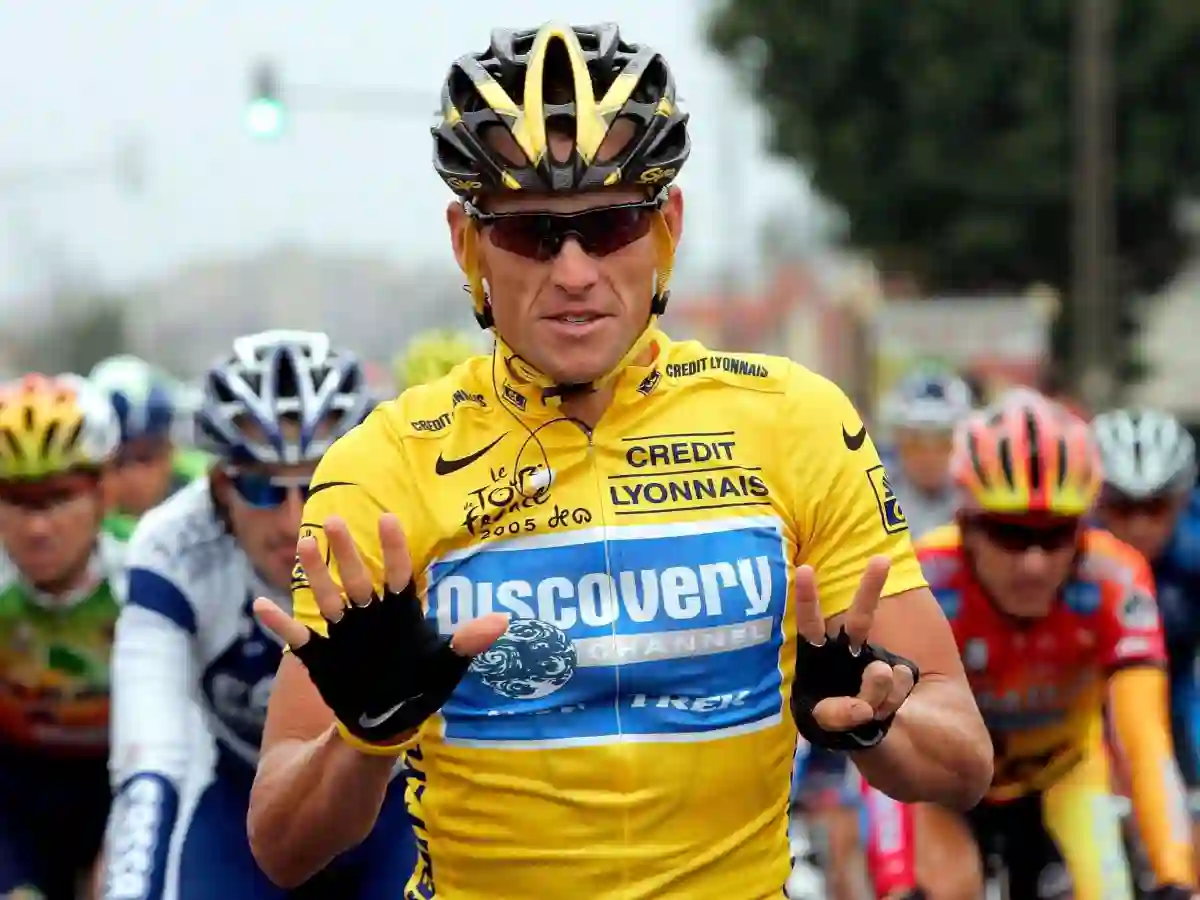
Armstrong’s need for constant admiration and narcissistic supply reveals deep-seated entitlement issues. His personality demonstrates the manipulative tendencies and emotional unavailability typical of narcissistic individuals.
Why The “Just A Competitive Athlete” Defense Fails
Some argue Armstrong was just hyper-competitive in a corrupt sport. Everyone doped. He played the game better.
This fails for three reasons:
First, Armstrong did not just dope. He destroyed innocent people. Competitiveness does not require calling a team masseuse a prostitute. Ambition does not demand years of attacking a woman who accurately testified about a hospital conversation.
Second, other dopers confessed and moved on without legal wars against journalists and teammates. Armstrong’s response was disproportionate and vindictive. Those are hallmarks of narcissistic injury when the false self is threatened. When truth emerged, he experienced what many call narcissistic collapse.
Third, the behavior holds across contexts. Grandiosity, exploitation, empathy deficit, vindictive rage. These form a personality profile, not situational responses.
| Healthy Ambition | Narcissistic Behavior |
|---|---|
| Sets challenging goals | Believes rules do not apply |
| Works hard to achieve | Cheats and lies to win |
| Competes fairly | Destroys competitors unfairly |
| Accepts setbacks | Rages at criticism |
| Takes accountability | Blames others, makes excuses |
Armstrong’s documented conduct fits the right column on every measure.
Evidence Summary: Incident-to-Pattern Correlations
12 Documented Behaviors Mapped to Narcissistic Patterns
“The evidence is conclusive and undeniable. Armstrong did more than use drugs. He gave them to his teammates. If they did not comply, he would replace them.”
— Travis Tygart, USADA CEOWhat This Means If You Recognize These Patterns
If you are reading this because someone in your life reminds you of Armstrong, trust that recognition.
In my coaching work, survivors describe the exact moment they saw through the mask. Same story as Armstrong’s victims. The public persona everyone admires. The private cruelty only you witness. The destruction of anyone who challenges the story. The likeable act that makes others view you as unstable when you speak truth. The absolute certainty you are dealing with someone who will never actually acknowledge harm.
Armstrong’s case shows narcissistic individuals can:
- Maintain false personas for decades
- Fool millions of people
- Accumulate money and resources
- Destroy truth-tellers without consequences
- Confess only when cornered, and still avoid real accountability
But the mask slips. It always does. Understanding what happens when a narcissist is exposed and how narcissists react to being caught lying helps survivors prepare for the aftermath.
Betsy Andreu was vindicated. Emma O’Reilly was vindicated. David Walsh was vindicated. Tyler Hamilton’s book The Secret Race won the William Hill Sports Book of the Year. It took years. It cost them dearly. But documented truth broke through the armor Armstrong built.
The question “Is Lance Armstrong a narcissist?” has a documented answer. Fifteen traits. Twenty-six witnesses. Destroyed careers. Zero meaningful restitution to victims.
The evidence is clear. Yes.
Yes, Lance Armstrong Is a Narcissist
The documented evidence answers definitively: Lance Armstrong is a narcissist. Fifteen narcissistic traits confirmed through federal investigation. Twenty-six witnesses providing sworn testimony. Destroyed careers, death threats against accusers, and zero meaningful restitution to victims like Betsy Andreu and Emma O’Reilly. Armstrong’s case is not speculation—it is the most thoroughly documented example of narcissistic behavior in sports history.
“Armstrong built an idealized false self and viewed the world through a winners vs. losers lens where empathy does not compute.”
— Dr. Joseph Burgo“Lance is smart, charismatic, incredibly hardworking… All that has led most of us to the misimpression that he is saintlike or even cuddly. He is not, by a long shot.”
— Daniel CoyleWhat He Fakes: Cancer warrior inspiration, charitable humanitarian, reformed truth-teller showing accountability, competitive athlete within existing culture, defender of reputation against false accusations.
What He Is: A documented narcissist who maintained elaborate fraud for 15+ years, systematically destroyed truth-tellers through character assassination and legal warfare, showed complete empathy deficit toward victims, confessed only when denial became impossible, and provided zero meaningful restitution despite vindication of all accusers.
The Evidence Is Clear:
- Fifteen narcissistic traits confirmed through federal investigation
- Twenty-six witnesses providing sworn testimony
- Destroyed careers and death threats against accusers
- Zero meaningful restitution to victims like Betsy Andreu and Emma O’Reilly
Psychologists analyzing Armstrong’s Oprah interview identified narcissistic non-apology characteristics: flat affect discussing destroyed lives, focus on his losses rather than victims’ suffering, complete narrative control, no victim restitution plan. Self-awareness without meaningful action is performative damage control. He confessed only when denial became impossible.
If you recognize these patterns in someone you know, trust that recognition. Armstrong fooled millions for over a decade. He accumulated money, titles, and global admiration while destroying truth-tellers. But Betsy Andreu was vindicated. Emma O’Reilly was vindicated. David Walsh was vindicated. The narcissistic false self cannot survive documented truth forever. The mask slips. It always does.
FAQs
Is Lance Armstrong Officially Diagnosed As A Narcissist?
No clinical diagnosis exists publicly. Armstrong’s behavior is classified as sub-clinical narcissism, meaning he displays significant narcissistic traits without formal NPD assessment. Dr. Joseph Burgo’s Psychology Today analysis identified textbook narcissistic defense mechanisms. Clinical labels matter less than documented impact: 26 witnesses, destroyed careers, and zero victim restitution.
What Narcissistic Traits Did Lance Armstrong Display?
Armstrong displayed 15 documented narcissistic traits: grandiose self-importance, pathological lying (15+ years under oath), exploitation of relationships, complete lack of empathy, vindictive rage when challenged, sense of entitlement, need for constant admiration, arrogant behaviors, gaslighting, character assassination, false self construction, blame-shifting, and moral disengagement. Each trait is confirmed through USADA testimony and his own Oprah admission.
Why Did Armstrong Destroy Whistleblowers Like Emma O’Reilly?
Narcissistic individuals experience narcissistic injury when their false self is threatened. Armstrong called Emma O’Reilly a “prostitute” and “alcoholic” after she told truth to journalist David Walsh. Dr. Burgo explains this as psychological survival: destroying accusers wasn’t optional for Armstrong. His idealized self-image couldn’t coexist with their testimony.
How Did Armstrong React When Caught Lying To Oprah Winfrey?
Psychologists identified narcissistic non-apology characteristics throughout the January 2013 interview: flat affect when discussing destroyed lives, focus on his own losses (titles, sponsors) rather than victims’ suffering, controlled narrative, no concrete restitution plan, and moral disengagement. He redefined “cheating” rather than acknowledging harm.
What Is The Dark Triad And How Does Armstrong Fit?
The Dark Triad includes narcissism, Machiavellianism, and psychopathy. Armstrong displays all three: grandiosity and admiration-seeking (narcissism), strategic Narcissist Quizzes and exploitation of teammates (Machiavellianism), and callous treatment of accusers with no genuine remorse (psychopathy). A peer-reviewed Scandinavian Journal of Medicine & Science in Sports study confirmed these patterns predict controlling behaviors in sports leadership.
Did Armstrong’s Livestrong Foundation Shield His Narcissism?
Yes. Armstrong used Livestrong as a narcissistic shield, weaponizing his cancer survivor story and charitable work to deflect doping accusations. Critics who questioned him faced accusations of attacking cancer research. The foundation became part of his manufactured hero persona, making exposure more difficult for whistleblowers.
How Did USADA Prove Armstrong’s Narcissistic Pattern?
The 202-page USADA Reasoned Decision published October 10, 2012 collected sworn testimony from 26 witnesses including 15 professional riders. CEO Travis Tygart documented how Armstrong controlled teammates, distributed drugs, and replaced anyone who refused to dope. The investigation called it “the most sophisticated doping program sport has ever seen.”
Why Did George Hincapie And Tyler Hamilton Eventually Testify?
Both faced impossible choices for years: stay quiet or lose careers. Armstrong’s loyal lieutenant George Hincapie cooperated with USADA after the evidence became undeniable. Tyler Hamilton testified and co-wrote The Secret Race with Daniel Coyle, winning William Hill Sports Book of the Year. The narcissist’s control eventually fails when documented truth accumulates.
Can Narcissists Like Armstrong Ever Show Genuine Remorse?
Armstrong called himself “narcissistic” in post-confession interviews and stated he’d be “apoplectic” if his kids did what he did. However, self-awareness without meaningful action toward victims is another performance. Emma O’Reilly never received restitution despite Armstrong admitting her treatment was “probably the worst” thing he did. Words without action indicate continued narcissistic pattern.
What Does Armstrong’s Case Teach Survivors Of Narcissistic Abuse?
Armstrong’s case proves narcissistic individuals can maintain false personas for decades, fool millions, accumulate resources, and destroy truth-tellers. But it also proves the mask slips. Betsy Andreu faced years of character assassination before vindication. David Walsh was sued for £300,000 before being proven right. Documented truth eventually breaks through narcissistic armor.