


Last updated on December 28th, 2025 at 01:16 am
Signs of social narcissism in groups and individuals often show up as acting very important, wanting praise, and not caring about others’ feelings. You might see people trying to get attention. Sometimes, groups leave others out to look good. Recent studies say that about 1-6% of people have narcissistic personality disorder.
Up to 25% of people show some narcissistic traits. It is important to notice these signs. If you spot social narcissism early, you can keep yourself safe and avoid bad group behavior. Relationships get better when you know these patterns. People with the same traits feel happier together. Knowing the signs helps you make better friendships.
TL;DR
Social narcissism happens when people or groups act like they matter more than others.
Key traits of social narcissism are acting very important, wanting praise, and not caring about others’ feelings.
Groups with social narcissism often make goals that only help themselves and may leave others out to look better.
Leaders in these groups may control talks, pick favorites, and stop others from sharing different ideas.
Noticing social narcissism early helps you stay away from bad relationships.
Talking openly and learning to care about others are important for better group behavior.
Social Narcissism Defined
Social narcissism affects how you see yourself and others in social settings. You notice it when people or groups act like they are more important than everyone else. This behavior can show up in many ways, but three key traits stand out.
Key Traits
Grandiosity
You see grandiosity when someone acts like they are better than others. They might brag about their achievements or expect special treatment. In groups, grandiosity can look like a team thinking it is the best and ignoring other groups. People with this trait often want you to admire them. They may talk about their successes and downplay their mistakes.
Need for Admiration
You notice the need for admiration when someone always wants praise. They might ask for compliments or get upset if you do not notice their efforts. In groups, this trait shows up when members seek attention for their group’s actions. They want others to see them as special. This need can make people compete for approval and ignore teamwork.
Lack of Empathy
Lack of empathy means someone does not care about your feelings. They might ignore your problems or make fun of your mistakes. In groups, this trait can lead to bullying or leaving people out. You may feel hurt or unsupported. People with low empathy often focus only on their own needs.
If you spot these traits, you can protect yourself from unhealthy relationships. You help your group stay positive and fair.
Group vs. Individual
Collective Narcissism
Collective narcissism happens when a group acts like it is better than others. You see this in sports teams, clubs, or even families. The group wants respect and may put down outsiders. This behavior can cause conflict and make others feel unwelcome.
Social Contexts
Social narcissism changes based on where you are. At school, you might see it in cliques. At work, it can show up in teams that ignore new ideas. Recent research shows that personality traits and culture affect how social narcissism appears.
For example, some people show high self-esteem and low emotional instability, while others feel more anxious and less confident. Culture can make certain traits more common in different places.
Differences from Classic Narcissism
Classic narcissism focuses on one person’s need for attention. Social narcissism involves groups or social settings. You see more teamwork, but also more competition for praise. The signs may look similar, but the impact spreads to more people. You notice changes in group behavior, not just in individuals.
Signs of Social Narcissism in Groups
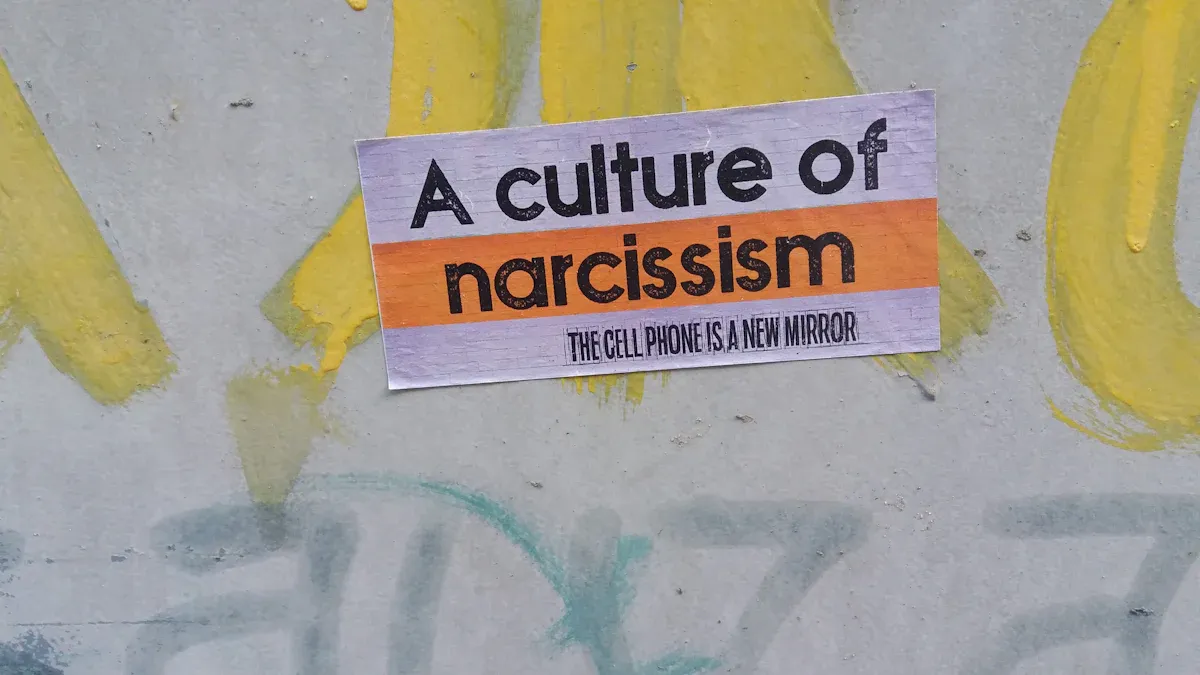
When you look at groups, you can see social narcissism by watching how people act and how leaders lead. These signs show up in what the group wants, how they treat people outside the group, and how leaders use their power.
Group Behaviors
Self-Focused Goals
Groups with social narcissism often make goals that help only themselves. They want to seem better than other groups. Sometimes, a work team takes all the credit for a project, even if others helped. In friendships, one person may always talk about their own wins and not listen to others. This focus on self can hurt trust and teamwork.
Exclusion of Others
Some groups leave people out on purpose. They do this to look good or keep control. For example, a club might not invite new people to events. At school, cliques may ignore students who are different. Leaving people out makes others feel bad and can cause bullying.
Status-Seeking
Groups with social narcissism want to be seen as the best. They try to win awards, get praise, or get special treatment. You might see sports teams brag about wins and not talk about losses. At work, some teams try to get the boss’s attention instead of working together. Wanting status can break group unity.
Here are some real-life examples:
In romantic relationships, a partner may always want to know where you are, showing jealousy and control.
In friendships, someone may only talk about their own wins and not listen to your stories.
At work, a coworker might take all the credit for a group project and leave others out.
Studies support these ideas. One study in Poland found that collective narcissism made groups less supportive during COVID-19. Another study in the USA and UK showed that groups with high social narcissism believed more in conspiracy theories, which spread false information.
Leadership Patterns
Charismatic Control
Leaders in these groups often want all the attention. They talk the most in meetings and make choices without asking others. You might see these leaders brag about their own success and expect everyone to follow them.
Favoritism
These leaders often pick favorites. They give special treatment to some people and ignore others. This can split the group. Some people get more chances, while others feel left out.
Suppression of Dissent
Leaders may not let others disagree. If you speak up, they might ignore you or shut you down. This makes it hard for the group to fix problems or try new ideas.
Common leadership patterns in groups with social narcissism are:
Using team members to reach their own goals
Controlling talks and choices
Wanting constant attention and praise
Ignoring team ideas, which can hurt results
You can see how these patterns change group life in the table below:
Aspect | Effect on Group Dynamics |
|---|---|
Hostility towards supervisors | Makes the group less united |
Psychological availability | Can help group work and engagement |
Positive effects | May help the group act in helpful ways |
Negative effects | Can cause bad work behaviors |
When you see these signs, you can better understand how social narcissism changes group actions. This helps you protect yourself and others from unhealthy group behavior.
Signs of Social Narcissism in Individuals

When you look for signs in people, you see certain traits and ways they talk. These patterns can change your friendships, family, and work life.
Personal Traits
Entitlement
Some people act like they should get special treatment. They want others to do what they want without asking why. When things do not go their way, they get upset. People with entitlement might cut in line or demand attention. They may get mad if you do not agree with them.
Manipulation
Manipulation happens when someone tries to control others for their own gain. They might change facts or make you feel guilty. Sometimes, they turn people against each other. After talking to them, you may feel confused or pressured. This can hurt trust and make you doubt your feelings.
Emotional Control
Some people use emotions to get what they want. They might act sad to make you feel bad. They may use anger to scare you into doing things. Your feelings may be ignored or pushed aside. Over time, you might feel powerless or worried.
Tip: If you often feel tired or unsure after being with someone, you might be dealing with these traits.
Here is a table that shows the most common personal traits linked to social narcissism:
Trait | Description |
|---|---|
Grandiosity | Feelings of entitlement, self-centeredness, and a belief of being better than others. |
Lack of Empathy | Impaired ability to recognize or identify with the feelings and needs of others. |
Superficial Relations | Relationships are largely superficial, serving self-esteem regulation rather than mutual interest. |
Attention Seeking | Excessive attempts to attract and be the focus of attention from others. |
Recent studies show these traits can hurt your relationships. People with high narcissism want to look important by acting bossy. They react strongly if they feel their status is threatened. This can cause fights and anger. These problems can make relationships hard and less happy.
Personality Trait | Impact on Life Satisfaction | Notes |
|---|---|---|
Narcissism | Linked to interpersonal hostility and aggression | High levels of narcissism can lead to negative interpersonal dynamics. |
Agreeableness | Positive influence on life satisfaction | Variations exist across cultures. |
Openness | Strongly associated with life satisfaction | Engaging in new experiences enhances happiness. |
Communication Styles
Dominating Talks
Some people always talk about themselves. They talk over others and do not let you share. This makes you feel invisible or not important.
Dismissal of Opinions
If you share your ideas, a person with social narcissism may ignore them. They do not care about your experiences. You may feel like your words do not matter.
Self-Promotion
Self-promotion is another sign. The person brags about what they have done. They want everyone to notice their wins. They rarely cheer for others.
Common communication styles of individuals with social narcissism:
Focus on their own stories and experiences
Little engagement with your responses
Lack of empathy for your feelings
These ways of talking can hurt how groups work together. When someone always talks or ignores others, teamwork gets hard. Good ways to solve problems, like listening and accepting differences, help groups do better. If you see these signs, you can set limits and help people talk in healthier ways.
Personality Trait | Impact on Interpersonal Relationships | Notes |
|---|---|---|
Narcissism | Associated with hostility and aggression | May react negatively to perceived threats to their status. |
Agreeableness | Generally fosters positive interactions | Leads to better interpersonal dynamics. |
Openness | Encourages proactive engagement in relationships | Can lead to more fulfilling social interactions. |
Remember: Seeing these signs early helps you stay safe and build stronger, kinder relationships.
Impact on Groups and Individuals
Group Effects
Collaboration Breakdown
If you join a group with social narcissism, teamwork gets hard. People care more about themselves than the group. Team members may not listen to each other’s ideas. Some might try to get all the attention. This makes it tough to finish work or reach goals. Studies show that narcissism in teams hurts how well they work together. Teams that know each other well have even more trouble.
Evidence Description | Findings |
|---|---|
Team narcissism relates to lower team coordination | More narcissism in a team makes teamwork and results worse. |
Familiarity intensifies negative effects | Teams that know each other feel these problems even more. |
Narcissism leads to toxic environments | Narcissistic people can make teams feel bad and break trust. |
You might also see bullying or people breaking rules. This makes the group a bad place to be. Good team members may want to leave.
Increased Conflict
Groups with social narcissism think they are better than others. They want everyone to praise them. If someone questions the group, fights can start fast. People may get angry or stop listening to each other. This makes it hard to care about others’ feelings.
Inside the group, people feel pressure to agree with leaders. They may hide what they really think. It becomes hard for anyone to share new ideas.
Social narcissism makes groups feel special and want praise.
This can lead to anger if someone disagrees, and people stop caring about each other.
Inside the group, people hide their real thoughts and do not feel safe.
Loss of Safety
If you do not feel safe in a group, you may not talk much. Social narcissism can make you feel like your ideas do not count. People who disagree often stay quiet to avoid problems. Over time, this stops people from being honest or creative. The group loses trust, and teamwork gets worse.
Individual Effects
Decreased Well-being
If you spend time in a group with social narcissism, you may feel less happy. You might feel sad or stressed because you do not feel important. Your mind and body can feel worse. Scientists found that people left out by these groups feel more pain in their brains.
Narcissism is linked to more activity in brain areas that feel social pain when people are left out. This means narcissists may feel more upset when excluded, which can hurt their health over time.
Emotional Exhaustion
You may feel tired all the time if you deal with social narcissism. Trying to make the group happy or avoid fights can use up your energy. You might feel like no one understands you. This stress can make you feel lonely and worn out.
People with high national narcissism often feel alone and not understood.
They want others to say good things about their country, but often feel let down.
Unlike other groups that help people feel good, national narcissism can make people feel more lonely.
Isolation
Feeling left out happens a lot in groups with social narcissism. You may not get invited to things or people may ignore your ideas. After a while, you can feel very alone. Young people who are left out by these groups feel even more pain in their brains. This makes feeling left out even harder.
Boys with more narcissism showed stronger brain reactions to being left out than to being included. This may mean their brains are more sensitive to social pain.
If you see these problems, you can try to keep yourself safe. Look for groups that are kind, fair, and let everyone share ideas.
Why People Are Drawn to Social Narcissism
You might ask why people join groups or follow leaders with social narcissism. The answer is about basic needs and how technology affects us today.
Psychological Factors
Need for Belonging
Everyone wants to feel safe and accepted. People have always needed each other to survive. When you join a group, you hope for support and friendship. Groups with social narcissism can look strong and close. They make people feel like they belong, even if the group is not healthy.
People need friends and support to feel safe.
You might join groups to feel liked and connected.
Good relationships make you happy, so you may stay in groups that include you, even if they act in a social narcissism way.
Attraction to Power
People sometimes want to be part of powerful groups or follow strong leaders. These groups promise special treatment or higher status. If you want to feel important, you may follow someone who seems confident. This can make you miss warning signs.
Fear of Exclusion
No one wants to be left out. Being alone can feel scary. This fear can make you follow group rules, even if they are unfair. You might agree with the group just to fit in. It can be hard to speak up or leave.
Groups with social narcissism use the fear of being left out to keep people loyal.
You might stay quiet so you do not lose your spot in the group.
Some ways of thinking also make people join or support these groups:
Some people see things as only good or bad, which makes hard problems seem easy.
People with low intellectual humility think their ideas are always right and ignore others.
Wanting to feel special or better than others can make people believe things that set them apart.
Social Media Influence
Amplified Behaviors
Social media changes how you see yourself and others. These sites reward people for showing off. You might see people post only their best moments. This makes it seem like showing off is good.
Social media makes you want to look perfect.
Likes and comments become ways to feel good about yourself.
You see posts that get lots of attention, so you may want to act the same way.
Online Group Dynamics
Groups form fast online. Many groups want to be different or special. In America, people like to stand out and compete, which makes this stronger. You may feel you have to keep up or join new trends.
Social media makes you want to show off and get approval.
Things like stories and challenges make you compare yourself to others.
Young people feel this pressure the most, which can cause envy and stress.
Case Studies
Here is a real example of how online groups affect social narcissism:
Study Title | Objective | Method | Findings |
|---|---|---|---|
Vulnerable Narcissism in Social Networking Sites: The Role of Upward and Downward Social Comparisons | To find out how using social media relates to vulnerable narcissism | 529 people answered questions | Using social media to compare yourself to others can raise vulnerable narcissism |
You can see that comparing yourself to others online can make you feel more vulnerable and want more attention. This cycle makes you keep looking for more likes and approval.
Tip: Pay attention to how you feel after using social media. If you feel sad or left out, take a break and spend time with people in real life.
Recognizing and Responding to Social Narcissism
Individual Strategies
Self-Awareness
You can notice how you feel around people or groups. If you often feel tired, left out, or pushed, social narcissism might be there. Watch your feelings and how you react. When you see these patterns, you can make better choices for yourself. Being self-aware helps you spot bad behaviors and keep your mind healthy. Try to think about what happens and trust your gut.
Setting Boundaries
Decide what you will allow and what you will not. Tell others your limits with simple “I” statements. For example, say, “I need time to think before I answer.”
If someone tries to cross your line, stay calm and repeat what you need. Boundaries are like a shield. They help you stay in charge and feel less stress. Experts say you should:
Be clear about what you will and will not accept.
Try to keep your feelings separate when needed.
Use the Gray Rock Method—stay calm and do not react.
Do not get pulled into fights or drama.
Watch out for tricks like gaslighting.
Tip: Keep standing by your boundaries. Some people may test them, but you can protect yourself.
Seeking Support
You do not have to deal with social narcissism by yourself. Ask friends, family, or a counselor for help. Talking to someone you trust can give you new ideas and comfort. Doing things like exercise, reading, or meditation can help you feel better. If things get too hard, it is okay to walk away. Support from others helps you keep your boundaries strong.
Group Strategies
Open Communication
Groups work best when everyone feels safe to talk. Encourage open talks so all members can share ideas. Make clear ways for people to speak up. If one person talks too much, ask others to join in. Open talks help stop selfish actions and build trust.
Empathy Building
Empathy means caring about how others feel. You can help your group by listening and showing care. Leaders should notice team members’ feelings and needs. Training in empathy and speaking up can help everyone feel important. When mistakes happen, use them to learn, not to blame.
Safeguards
Strong groups have rules to keep everyone safe. You can suggest classes that teach strength and speaking up. Encourage helping others and sharing praise. Build teamwork so everyone feels they matter. These steps make it harder for social narcissism to grow.
Note: Groups that focus on caring, open talks, and shared goals are safer and happier for everyone.
Research and Expert Insights
Studies and Data
Prevalence Stats
You might ask how often social narcissism happens. Studies say about 1-6% of people have narcissistic personality disorder. Up to 25% of people show some narcissistic traits. In groups, these traits can show up even if only a few people have them.
Research from the last ten years shows group settings can make these traits stronger. This happens more when leaders push self-promotion and competition.
Key Papers
Researchers have looked at how narcissism affects people and groups. Some important studies are:
A 2020 study in the Journal of Personality found that collective narcissism in groups causes more fights and less teamwork.
Another paper in Frontiers in Psychology (2022) showed that teams with high narcissism have trouble trusting and working together.
The Social Online Self-Regulation Theory explains how social media can make narcissistic traits worse, especially for people who already feel unsure about themselves.
Real-World Examples
Organizational Cases
You can see what happens when narcissism is not controlled in real companies:
People’s Express: CEO Donald Burr wanted the company to grow fast, but it failed when other companies lowered their prices.
Corporate Scandals: Leaders like Elizabeth Holmes at Theranos and Kenneth Lay at Enron made bad choices because of narcissism, which hurt their companies.
Social Media Groups
Social media groups often show the dangers of social narcissism. The table below shows some key findings:
Evidence | Description |
|---|---|
Being too sensitive grows with more social media use, making people care more about outside approval. | |
Impact of Social Media on Self-Image | People can change how they look online, which can cause worry and sadness for some users. |
Role of Parental Support | Help from parents and teachers can protect against these bad effects. |
The Social Online Self-Regulation Theory says people use social media to control how others see them. If you have narcissistic traits, you may post more to get likes and attention. This can make you care too much about what others think, which can hurt your self-worth.
Lessons Learned
Narcissism in leaders can hurt whole companies.
Social media can make narcissistic traits stronger, especially in groups.
Family and teachers can help protect against these problems.
You can spot warning signs early by looking for self-promotion and lack of empathy.
Common Misconceptions
Many people think narcissism only affects one person, but it can change whole groups. Some think only adults act this way, but research shows teens and young adults can also be affected, especially online. Experts say that seeing these signs early helps you build better friendships and safer groups.
Conclusion
You can notice social narcissism by looking for certain signs. These include self-focused goals, leaving people out, and always wanting praise. This can happen in groups or with one person. See if group members do not listen to your ideas.
Check if only a few people talk most of the time. Think about how you feel after being with the group. Do you feel important or tired?
Look for groups that say they are special or different.
Check if your group’s values are like yours.
Think about what happens to keep yourself safe and make better friendships.
Frequently Asked Questions
How can you spot social narcissism in a group?
You can spot social narcissism when group members care only about their own wins. They might leave some people out or fight to be the best. Leaders may not listen to new ideas and pick favorites.
Why does social narcissism hurt relationships?
Social narcissism can make you feel left out or not important. People might not listen to what you say or care about your feelings. This can break trust and start fights in friendships or teams.
Can social narcissism show up online?
Yes! Social media can make social narcissism worse. People post only their best moments and want lots of likes. Some groups online leave others out. This can make people feel jealous or stressed.
Is social narcissism the same as classic narcissism?
No. Classic narcissism is about one person wanting attention. Social narcissism happens in groups. The group wants praise and acts like they are better than others.
Are young people affected by social narcissism?
Young people can feel social narcissism at school, online, or in clubs. You might see cliques, bullying, or feel pressure to fit in. This can make you feel bad about yourself.