

Last updated on December 27th, 2025 at 06:55 pm
Social narcissism impacts how we talk and connect with others. It happens more often than you may notice. You might see people bragging about themselves online. Some post a lot to get attention. Many talks focus on just one person.
Using social media more during the pandemic connects to more narcissism. Posting often and wanting likes can make people act grander. Younger adults have more narcissism than older adults.
TL;DR
Social narcissism can hurt your relationships. It makes talks feel one-sided.
Some people only talk about themselves. They may ignore your feelings.
Social media can make narcissistic behaviors worse. This can cause more bragging and competition.
Healthy relationships need empathy. Social narcissism can cause misunderstandings and hurt feelings.
Social Narcissism: Core Traits and Effects
Defining Social Narcissism
Social narcissism changes how you see yourself and others. Some people always want attention or think they are special. Experts say social narcissism is not the same as high self-esteem. High self-esteem helps you feel good about yourself. Social narcissism makes you care only about your own needs. This can hurt your friendships and family.
Key Characteristics
You can notice social narcissism by looking for certain signs. These signs show up in how someone acts and talks.
Antagonism
Self-importance
Entitlement
Core Trait | Description |
|---|---|
Self-centeredness | You care about yourself and ignore others’ feelings. |
Entitlement | You think you should get special treatment and praise. |
Interpersonal antagonism | You act rude and do not work well with others. |
Social Media Influence
Social media can make social narcissism worse. If you post a lot and want likes, you may care more about what others think. During the pandemic, people used social media more.
Studies found this led to more narcissistic actions. You might see people brag or only share good things online. This can make you feel like you need to compete or show off too.
Difference from Clinical Narcissism
You might wonder how social narcissism is different from clinical narcissism. Clinical narcissism is a personality disorder with strict rules. Social narcissism is a scale—some people have a little, some have a lot. Clinical narcissism is a category, but social narcissism is a range of actions.
Aspect | Clinical Narcissism | Social Narcissism |
|---|---|---|
Definition | A personality disorder | A range of behaviors |
Structure | Categorical (you have it or not) | Dimensional (a little or a lot) |
Diagnostic Criteria | Clear, strict guidelines | No clear cutoff |
Narcissism has many sides.
Clinical psychology studies both helpful and harmful types.
Pathological narcissism can be shy and sensitive or bold and attention-seeking.
Main Communication Impacts
Social narcissism changes how people talk and listen. You may see these patterns in yourself or others.
Exploitative Styles
People with social narcissism often take over talks. They may use others to look better. You might feel like you only listen and cannot share. Experts say this can make you feel used or ignored.
Lack of Empathy
You may see a lack of empathy in social narcissism. Someone may not care about your feelings or problems. This makes it hard to have real, caring talks. Studies show this leads to misunderstandings and hurt feelings.
Power Imbalances
Social narcissism creates power imbalances. One person may always want control or the last word. This can make you feel small or unimportant. Research shows these imbalances cause stress and lower happiness in relationships.
Study | Findings |
|---|---|
Hyatt et al. (2018) | Grandiose narcissism links to being mean, entitled, and rude. |
Caligor and Stern (2020) | Grandiose narcissists use big words and lack a steady sense of self. |
Schalkwijk et al. (2021) | Problems with self lead to trouble talking and relating to others. |
Kałużna-Wielobób et al. (2020) | Narcissism connects to being alone and feeling less part of a group. |
Gore and Widiger (2016) | Vulnerable narcissism shows up as emotional and unstable words. |
Ponzoni et al. (2021) | Vulnerable narcissism links to trouble handling feelings. |
Kacel et al. (2017) | Feeling upset leads to defensive or mixed-up communication. |
Note: Experts agree social narcissism can make you feel alone, misunderstood, or even upset in your relationships.
Common Misconceptions About Social Narcissism
You may hear myths about social narcissism. It is good to know the facts.
Misconception | Evidence-Based Fact |
|---|---|
Social narcissism is just high self-esteem. | Social narcissism is about self-importance and entitlement, not healthy self-worth. |
Only adults show social narcissism. | Young adults and teens can show high levels, especially online. |
Social narcissism always means being outgoing. | Some people show it quietly, by being sensitive or defensive (vulnerable narcissism). |
Social narcissism is rare. | Many people show some traits, especially on social media. |
It does not affect relationships. | Research shows it lowers happiness in relationships and causes misunderstandings. |
Recent studies show that social narcissism, especially rivalry, lowers happiness in relationships. Sometimes, admiration can have mixed effects, especially for women. When rivalry goes up, happiness goes down. When admiration changes, the effects are less clear.
You can spot social narcissism in how people talk, act, and use social media. If you notice these signs, you can protect yourself and build better relationships.
Communication Patterns in Social Narcissism

Verbal and Nonverbal Signs
Dominating Conversations
People with social narcissism often control talks. They talk about themselves a lot. They do not let others share much. You might feel like you do not matter. In groups, they bring the topic back to themselves. This can make others feel left out.
Dismissive Responses
If you share your feelings, they may ignore you. They might roll their eyes or interrupt you. Sometimes, they change the subject quickly. These actions can make you feel small. After a while, you may stop sharing your real thoughts.
Attention-Seeking Behaviors
Some people always want to be noticed. They may use big gestures or loud voices. Sometimes, they wear bright or flashy clothes. These actions make everyone look at them. This can cause tension and make others compete for attention.
Tip: If you listen a lot but no one listens to you, social narcissism might be the reason.
Sign | Example Behavior | Impact on You | Citation |
|---|---|---|---|
Dominating Conversations | Interrupting, talking over others | Feeling ignored | Hyatt et al., 2018 |
Dismissive Responses | Eye-rolling, changing topics | Feeling unimportant | Schalkwijk et al., 2021 |
Attention-Seeking Behaviors | Dramatic gestures, loud speech | Group tension | Caligor & Stern, 2020 |
Digital Communication
Self-Promotion Online
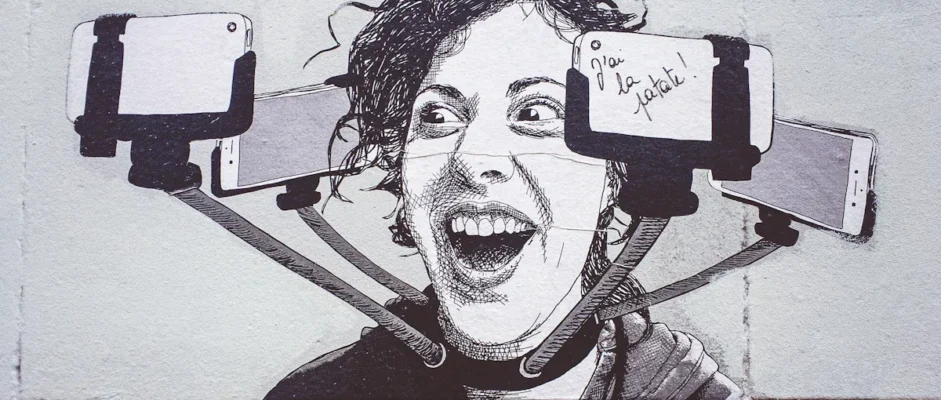
On social media, some people post many selfies. They share their wins and want likes and followers. These actions can show social narcissism. Studies say posting more selfies links to higher narcissism. Social media can make these habits stronger.
Using social media more can hurt your mental health.
Social media makes you want more likes and followers.
People with narcissistic traits post perfect photos and stories for praise.
Conflict on Social Media
You may see more fights or drama online. People with social narcissism may start arguments for attention. They want to prove they are right. They may compare themselves to others and feel jealous. This can make being online stressful for everyone.
Group Dynamics
In group chats, social narcissism can cause problems. Some people form small groups and leave others out. Vulnerable narcissists may act happy online but feel shy in real life. This can lead to confusion and hurt feelings.
Study | Findings | Context |
|---|---|---|
Halpern et al. (2016) | Taking more selfies links to higher narcissism over time. | Online (SNS) |
Trepte & Reinecke (2013) | People who share more online have more social interactions. | Online (SNS) |
Gentile et al. (2012) | More time on social media boosts positive self-views in young people. | Online (SNS) |
Note: Social media can make social narcissism easier to see and stronger, especially for young people.
Social Narcissism in Romantic Relationships
Common Behaviors
Emotional Neglect
Sometimes, your partner ignores how you feel. They might listen but not care about your emotions. This can make you feel lonely, even together. People with social narcissism often think they are better than others.
At first, they may seem very nice. Later, they might put you down or start arguments. You could feel worried or sad because your partner does not help you.
Manipulation Tactics
Your partner may use tricks to get their way. They might change your words or make you question yourself. Sometimes, they use guilt or threats to control you. You may do things just to avoid fights. Studies say people who depend on love may ignore these actions, hoping for care.
Jealousy and Control
Your partner might get jealous very quickly. They may check your phone or ask about your friends. They might want to know where you are all the time. This can make you feel stuck. Research shows that partners with more entitlement get jealous and trust less. Vulnerable narcissists often feel unsure, which causes more fights and less happiness.
If you feel like you cannot be honest or must be careful, these patterns may be in your relationship.
Common signs in romantic relationships:
Your partner acts like they are better than you.
They care about your ideas but not your feelings.
Their kindness turns into being mean or starting fights.
You may feel worried, sad, or even hurt yourself.
Psychological abuse can happen more often.
Relationship Consequences
Misunderstandings
It can be hard to talk openly. Your partner may change your words or not listen to you. This causes many misunderstandings. You might feel like your partner does not really know you.
Emotional Distress
Living with social narcissism can make you stressed and sad. You may feel unloved or not important. Partners of narcissists often feel less happy and more anxious. You might notice your mood getting worse over time.
Breakup Risk
Relationships with narcissists often do not last long. Narcissists do not commit and may cheat more. They care more about themselves than closeness. Studies show more divorces and breakups in these relationships.
Study | Findings |
|---|---|
Lavner et al. (2016) | Wives with more narcissism felt less happy in marriage after 4 years. |
Campbell & Foster (2002) | Narcissism links to less commitment in relationships. |
Buss & Shackelford (1997) | Narcissism led to more cheating in the first year of marriage. |
Partners of narcissists often feel less happy.
Different traits between partners can cause more problems.
Narcissists have more divorces and unstable relationships.
You deserve a relationship where you feel important, heard, and safe. If you see these signs, think about getting help.
Social Narcissism in Family Dynamics
Parent-Child Relationships
Conditional Approval
Some parents only show love if you do what they want. This is called conditional approval. If you get good grades, you get praise. If you mess up or disagree, you may feel ignored. You might feel anxious or unsure about your worth. Kids try hard to please their parents but rarely feel good enough.
Here is how different types of parental narcissism affect children:
Evidence Type | Findings |
|---|---|
Parental Grandiose Narcissism | Direct predictor of anxiety and depression in children |
Parental Vulnerable Narcissism | Indirect effects on anxiety and depression through scapegoating |
Scapegoating | Linked to increased anxiety and depression symptoms in young adults |
Sibling Rivalry
You may see more fights between siblings in these families. Parents compare you to your brother or sister. They may give more attention to one child. This can cause jealousy and competition. You might feel you must win your parent’s approval. Over time, trust between siblings can break.
Generational Patterns
Families often repeat these behaviors. Healthy families help you grow as your own person. In narcissistic families, parents treat you like part of themselves. Your feelings may not matter. You might doubt yourself or struggle with your identity. Some kids copy these traits and become narcissistic adults. Others look for similar relationships later.
Healthy families help you become independent.
Narcissistic families make you feel invisible or unsure.
You may develop self-doubt or copy these patterns.
Family Tension
Triangulation
Triangulation happens when a parent uses you against someone else. For example, your parent may ask you to pick sides in a fight. This can make you feel stuck in the middle. You may feel guilty or confused. Triangulation makes family stress worse.
Conflict at Gatherings
Family events can be tense. You may notice arguments or silent treatment. Some family members compete for attention. Others feel left out. These fights can ruin holidays and special days. You might dread family gatherings because of drama.
Loss of Cohesion
Social narcissism can break family unity. Members may stop trusting each other. You may feel alone even when together. Kids often develop anxiety or depression. Some struggle with self-esteem and trust. You may hide your feelings to avoid conflict.
Effect on Family Dynamics | Description |
|---|---|
Anxiety Symptoms | Family members may develop intense anxiety, post-traumatic stress disorder, or depression. |
Difficulties in Relationships | Children of narcissistic parents often develop anxious-preoccupied or avoidant-attachment styles, leading to feelings of detachment. |
Self-Esteem and Trust Issues | Children may diminish themselves to survive in a narcissistic family, affecting their future relationships. |
Coping Mechanisms | Children raised in narcissistic environments may develop narcissistic traits as a way to cope with fear of abandonment. |
Note: You can break these patterns by noticing them and getting help. Healthy families treat each member as special and important.
Social Narcissism and Friendships
Toxic Patterns
One-Sided Support
Some friends always want help from you. They do not help you back. They only pay attention when they need something. They ignore your needs. This can make you feel tired and not valued. You may wonder why your friendship feels unfair.
Friendships with social narcissism often show toxic patterns. These include love bombing, devaluation, and emotional manipulation. Narcissists first treat their friends very well. Later, they treat them badly. This causes a cycle of emotional abuse with big ups and downs. Manipulation can show up as controlling actions or giving the silent treatment. These behaviors can hurt your feelings a lot.
Gossip and Betrayal
Some friends talk about you behind your back. They may share your secrets with others. They spread rumors to look better. This breaks trust and causes hurt. You may feel betrayed and wonder who you can trust.
Social Exclusion
You might see friends leave you out of plans. They ignore your messages or do not invite you to events. Being left out makes you feel lonely and unwanted. It can lower your confidence and make you doubt yourself.
Group Impact
Fragmentation
Groups with social narcissism often split into small cliques. People pick sides and the group loses unity. You may feel forced to choose between friends. This makes group activities stressful and less fun.
Social narcissism, especially the vulnerable kind, leads to emotional manipulation and competition in friend groups.
It causes people to pull away, making the group toxic and relationships tense.
Vulnerable narcissists may play group members against each other. This leads to divisions and less trust.
Friendships can become weak. The narcissist uses others’ weaknesses. Friends feel less support and appreciation.
Trust Issues
When friends gossip or leave others out, trust breaks. You may not want to share your feelings. You might not rely on anyone. Trust issues make you feel nervous and alone. You may stop opening up because you fear more betrayal.
Withdrawal
You may start to stay away from the group to protect yourself. Pulling away helps you avoid drama but can make you lonely. Over time, you may lose interest in group activities or friendships. This can hurt your happiness and self-esteem.
Tip: If you feel unsupported, left out, or worried in your friend group, these may be signs of social narcissism. Notice your feelings and talk to someone you trust.
Social Narcissism at Work
Social narcissism can change how you feel at your job. It can also affect how you see your team. You might notice some actions that make work hard or unfair. These actions can hurt trust and teamwork.
Workplace Behaviors
Credit-Stealing
Sometimes, someone takes credit for your ideas. They might say your work is theirs in meetings. This can make you feel left out and upset. When people care only about their own success, they ignore your hard work. After a while, you may not want to share new ideas.
Behavior | Example | Impact on You |
|---|---|---|
Credit-Stealing | Boss claims your project results | You feel undervalued |
Self-Promotion | Coworker brags about team wins | Team spirit drops |
Undermining Others
Some coworkers try to make you look bad. They may spread rumors or point out your mistakes. You might worry about what others think of you. These actions cause stress and make you doubt yourself.
Tip: If someone always points out your mistakes, they may want to look better than you.
Ignoring Feedback
People with social narcissism often do not listen to advice. They may not take suggestions from you or others. This can slow down work and stop new ideas. You might feel like your opinion does not matter.
Team Effects
Conflict
Social narcissism causes more fights at work. You may see coworkers compete instead of working together. Teams with narcissistic people have more drama and less trust.
Narcissistic people care more about themselves than the team. They keep information to themselves and try to make others look bad.
Narcissistic rivalry leads to work addiction and more fights. Teams have trouble working together and solving problems.
Studies show narcissism causes more conflict in teams. You may notice more stress and less teamwork.
Poor Collaboration
When people only care about themselves, teamwork gets worse. You may find it hard to share ideas or work in groups. Some team members keep secrets to look better. This makes it harder for everyone to do well.
Team Issue | Description | Result |
|---|---|---|
Information Hoarding | Coworkers keep secrets to look better | Team misses deadlines |
Lack of Trust | Members doubt each other’s intentions | Projects fail |
Burnout
You may feel tired and stressed working with narcissistic people. Always fighting and not getting help can make you lose energy. Over time, you might not like your job or feel nervous about going to work.
Note: Teams with lots of social narcissism often have more burnout and less job happiness.
Key Signs to Watch For:
Coworkers who always want praise
People who do not listen to your advice
Lots of fights and drama
No teamwork or trust
If you see these signs, you can protect yourself by setting limits and asking for help. Good teams value everyone’s ideas and work together to succeed.
Community and Social Groups
Group Dynamics
Manipulative Leaders
Some leaders in your community want all the power. They make choices for everyone and want people to obey. These leaders use charm and big promises to get support. Soon, others start acting like them. People copy their selfish ways and think it is normal. When this happens, trust in the group gets weaker.
Manipulative leaders often:
Care about themselves first
Want special treatment
Do not listen to feedback
If a leader mixes their ideas with your group’s identity, you might feel like you must follow them to fit in.
Clique Formation
Groups with social narcissism often break into cliques. You may see small groups that leave others out. These cliques make some people feel special and others ignored. People in the “in-group” get more praise and attention. People in the “out-group” feel left out and less important. This makes the group less friendly and open.
People want to feel good by being in a group.
Groups try to stand out by comparing to others.
In-groups get closer, but out-groups feel left out.
Narcissism Type | Social Motive | |
|---|---|---|
Vertical Individualism | Agentic, antagonistic | Status |
Horizontal Collectivism | Less antagonistic | Affiliation |
Marginalizing Dissent
You may feel pushed to agree with the group, even if you disagree. Leaders or cliques may stop people who speak up. Only some voices get heard in the group. After a while, you may stop sharing your real thoughts. The group looks united, but many feel left out or upset.
Groupthink can make you hide your true ideas just to fit in.
Social Cohesion
Eroded Trust
When social narcissism spreads, trust in your community gets weaker. People start to wonder about each other’s reasons. You may see more gossip and less honesty. Manipulative actions become normal, and people care less about others. It gets hard to make real friends.
Social narcissism makes people put themselves first.
Empathy and kindness are not common.
People stop trusting each other.
Polarization
Groups can split apart. You may see strong “us vs. them” feelings. People pick sides and stop listening to each other. This makes it hard to fix problems together. The group loses its sense of unity.
Group Feature | Social Narcissism Effect |
|---|---|
In-group loyalty | Stronger, but more exclusive |
Out-group exclusion | More common, leads to division |
Open discussion | Less likely, more self-censorship |
Decline in Support
As trust and unity fade, people help each other less. You may see fewer people volunteering or working together. Members feel less safe sharing problems or asking for help. The group’s support system falls apart, and everyone feels more alone.
Bossy leaders make it risky to speak up.
People copy habits that protect themselves, not others.
Support and kindness drop as everyone looks out for themselves.
If you feel alone or not supported in your community, social narcissism could be the reason. Seeing these patterns helps you stay safe and find better groups.
Recognizing Social Narcissism
Warning Signs
It is important to notice social narcissism early. This helps you keep your relationships safe. You can watch for warning signs in how someone acts and talks.
Lack of Interest in Others
Some people do not ask about your feelings or ideas. They might ignore your stories or change topics fast. People with social narcissism do not care much about others. You may feel invisible when you talk to them.
Boasting
Some people brag about what they have done, even if it is not much. They want praise for small things. You may hear them talk about their success a lot. They do not notice what others do. They might act like they are better than everyone.
Tip: If someone always wants praise but does not give it back, this could be a sign.
Blame-Shifting
You might see someone blame others for their mistakes. They do not say sorry or admit when they are wrong. They point fingers or make excuses. This can make you feel bad or confused, even if you did nothing wrong.
Common Signs Identified by Experts:
Wanting praise for little effort
Trying to have power or control
Feeling jealous or thinking others are jealous
Acting like they are better than others
Table: Reliable Warning Signs of Social Narcissism
Warning Sign | Description | Expert Source (2020-2025) |
|---|---|---|
Grandiosity | Always thinking they are the best | Hyatt et al., 2018 |
Lack of Empathy | Not caring about how others feel | Caligor & Stern, 2020 |
Pervasive Arrogance | Always acting like they are above others | Schalkwijk et al., 2021 |
Self-Reflection
You can look at your own actions to find patterns. This helps you grow and have better relationships.
Pattern Recognition
Ask yourself if you want praise a lot or get upset when others get attention. Notice if you have trouble caring about others’ feelings. Seeing these patterns helps you understand yourself.
Think about times you wanted praise for small things.
Remember when you did not care about someone’s feelings.
Notice if you blame others for problems a lot.
Seeking Feedback
You can ask friends or family how you act in groups. Honest feedback helps you see yourself better. Sometimes, you do not notice your own habits. Listening to others gives you new ideas.
Note: Knowing your behavior is the first step to making changes.
When to Get Help
If you see these patterns a lot, it is good to ask for help. You can talk to a therapist or counselor. They help you find ways to have better relationships. Friends and family can also support you.
Steps for Seeking Help:
Ask people you trust for help.
Think about talking to a mental health professional.
Use their advice to build better habits.
Table: Steps to Address Social Narcissism
Step | Action | Benefit |
|---|---|---|
Talk to Trusted People | Share your worries with friends or family | Get support and advice |
Seek Professional Help | Talk to a therapist or counselor | Get expert help |
Practice Self-Reflection | Notice your own habits and triggers | Learn more about yourself |
Noticing social narcissism helps you stay safe and happy. You can make stronger and healthier friendships by seeing these signs and taking action.
Conclusion
Social narcissism changes how you get along with people. Conversations can feel one-sided. People may stop caring about your feelings. Relationships might seem unfair.
You might feel like no one listens to you.
Others may only talk to you when they want to complain.
If someone always has the power, you can feel alone and upset.
Key Point | Description |
|---|---|
You notice more mood swings in these relationships. | |
Preference for Weak Ties | Narcissists like shallow friendships for attention, not closeness. |
Social Encounter Quality | Talks feel less special and lack real care. |
Frequently Asked Questions
What are the most common signs of social narcissism?
You may notice someone always talks about themselves, ignores your feelings, or wants praise for small things. They might blame others for mistakes and rarely show real care.
How does social narcissism affect friendships?
Friendships can feel one-sided. You might give support but get little back. Trust breaks down, and you may feel left out or used.
Can social narcissism harm family relationships?
Yes. Family members may compete for attention or approval. You might feel invisible or pressured to please someone who never seems satisfied.
Does social media make social narcissism worse?
Social media can make it easier to show off or seek attention. You may see more bragging, arguments, or people trying to look perfect online.