

Last updated on February 11th, 2026 at 04:43 am
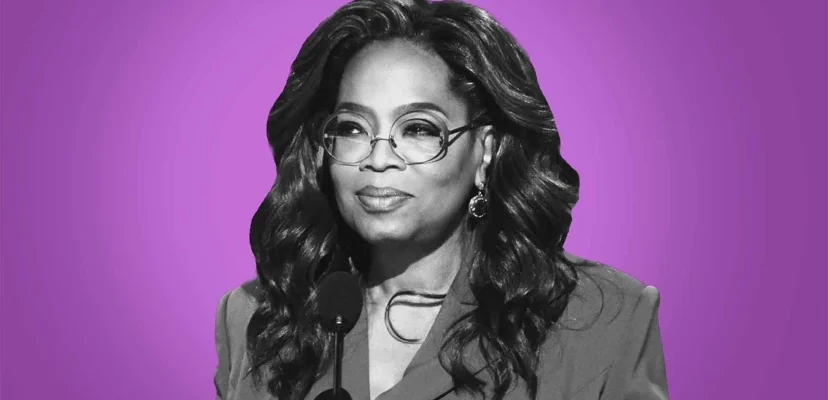
You’ve watched her interviews and read her book club selections, never once asking yourself “Is Oprah Winfrey a narcissist?” while screaming along with the audience during the famous car giveaway. Then you stumbled across an article making that exact claim, and suddenly you’re questioning everything. Was her warmth manufactured? Is her philanthropy just strategic image management?
Yes, Oprah Winfrey displays significant narcissistic traits. The evidence is extensive, documented, and forms a pattern that anyone who has dealt with a narcissist will recognize.
This isn’t about diagnosing NPD from afar-that requires clinical access. But identifying narcissistic behavior patterns? That’s observable. And Oprah’s 40-year public record provides more than enough material to evaluate.
Confidence doesn’t require your name on every venture. Confidence doesn’t need 200 magazine covers featuring yourself. Confidence doesn’t position you as a spiritual authority while platforming predators.
What follows is a comprehensive examination of Oprah’s documented behaviors mapped against clinical criteria—the kind of nuanced assessment missing from every surface-level take on this question.
Disclaimer: This is commentary based on observable public behavior, not a clinical diagnosis. No individuals mentioned have been formally diagnosed with narcissistic personality disorder. I am not a medical professional. This represents my opinion only.
TL;DR
Pathological self-centering: 200+ magazine covers featuring herself, every venture carries her name (Harpo, OWN, Oprah Daily), “Church of O” spiritual authority positioning.
Public warmth, private cruelty: On-camera empathy; off-camera quick firings, staff NDAs, and a James Frey ambush her own publisher called “mean and self-serving.”
Predator enabler: Promoted John of God (600+ rapes, 370-year sentence), photographed with Weinstein repeatedly, abandoned Russell Simmons accusers with 20 minutes notice.
Entitlement on display: Expected Hermès Paris entry after closing (framed denial as racism); expected recognition in Zurich for a $38,000 handbag.
Philanthropy as performance: $400-500M in giving—all name-attached. Insider says she has “same excitement as when she gave out cars on TV.”
Even her humility centers herself: “The struggle of MY life created empathy.” Abandoned autobiography not from overwhelm—from losing narrative control.
Mapping Oprah Against Clinical Narcissism Criteria
The DSM-5 requires persistent patterns across multiple life domains. Here’s how Oprah’s documented behaviors map against each criterion:
DSM-5 Criteria Analysis
| Criterion | Assessment |
|---|---|
| Grandiose Self-Importance | Self-centering dominates; humility statements feel performed. Every venture carries her name; 200+ magazine covers featuring herself. |
| Fantasy Preoccupation | Achievements real but framed as uniquely extraordinary. Built unmatched media empire; “Church of O” positioning. |
| “Special” Belief | Claims relatability while maintaining exceptional status. Spiritual authority positioning; quasi-religious following. |
| Excessive Admiration Need | Deflection may be strategic humility performance. 25,000 weekly fan emails cultivated; every venture self-branded. |
| Entitlement | Pattern of expecting exceptions to rules. Hermès/Zurich incidents: expected recognition and special treatment. |
| Interpersonal Exploitation | Others elevated, but always within her ecosystem. Dr. Phil/Dr. Oz launches; relationships serve brand. |
| Lack of Empathy | Situational empathy: present when useful. Inserts self into guest interviews; abandoned Russell Simmons accusers. |
| Envy | Celebrates those who don’t threaten dominance. Limited direct evidence; celebrates book club authors. |
| Arrogant Behaviors | Grandiosity masked as inspirational messaging. “Master of my fate” statements; spiritual authority claims. |
“Narcissism exists on a spectrum. Everyone has some narcissistic traits. It’s only when they become rigid, extreme, and cause impairment that we’re talking about a personality disorder.”— Dr. Craig Malkin, Harvard psychologist and author of Rethinking Narcissism
The question isn’t whether Oprah has some traits. Most successful people do. The question is whether those traits form a rigid, harmful pattern. The evidence suggests they do.
Understanding Narcissism Types: Where Oprah Fits
Most analyses look for grandiose narcissism, the chest-thumping, spotlight-stealing kind, and conclude she doesn’t fit. But there’s another presentation hiding in plain sight. Research on famous covert narcissist celebrities reveals patterns that often go undetected.
Narcissism Type Comparison
| Type | Key Characteristics |
|---|---|
| Grandiose Narcissism | Easy to detect. Flaunts achievements, demanding attention. Openly boastful, dominant. Core belief: “I’m the best.” Aggressive counterattack to criticism. |
| Covert Narcissism | Very difficult to detect. Appears victimized, craves hidden recognition. Shy, insecure presentation. Core belief: “I deserve more recognition.” Uses guilt, passive aggression. |
| Communal Narcissism | Moderate detection difficulty. Validation through being seen as exceptionally caring. Humble-appearing, helper identity. Core belief: “I’m the most giving.” Performative charitable giving. |
| What I Observe In Oprah | Communal narcissism pattern. Service-oriented but high-visibility giving. Confident but emphasizes shared humanity. Core belief: “If I can do it, so can you!” $400-500M+ always name-attached. |
“Communal narcissists see themselves as the most helpful, most caring, most understanding person in any room. Their grandiosity is expressed through claims of exceptional communion rather than exceptional agency.”— Dr. Jochen Gebauer, researcher who introduced communal narcissism to clinical literature (2012)
This fits Oprah precisely. The savior complex. The spiritual authority. The “if I can do it, so can you” positioning that ignores systemic barriers while claiming universal accessibility. Understanding the signs of communal narcissism helps identify this pattern.
Oprah’s Background: Trauma That Explains But Doesn’t Excuse
Understanding her origins matters. Not to excuse the patterns, but to explain them.
Born January 29, 1954, in rural Mississippi, Oprah endured documented trauma:
- Sexual abuse from ages 9-13 by multiple family members
- Teenage pregnancy at 14; infant son died shortly after birth
- Extreme poverty: wore potato sacks as dresses
- Shuffled between relatives with no stability
- Sent to juvenile detention (released only because overcrowded)
- Found stability only when moving to father’s strict Nashville household at 14
Gene Wilder’s theory on celebrity narcissism fits: celebrities with narcissistic patterns often had childhoods lacking consistent attention, leading to performance-seeking behavior as compensation. The wounded child creates a grandiose persona to survive.
Dr. Drew Pinsky’s 2006 study using the Narcissistic Personality Inventory produced these findings. Research from USC confirmed that celebrities score significantly higher on narcissism measures than the general population:
Dr. Pinsky’s NPI Study Findings
| Data Point | Implication |
|---|---|
| Celebrity vs. General Population | Significantly higher NPI scores. Entertainment industry selects for narcissistic traits. |
| Female Celebrities | Scored highest of all groups. Gender dynamics play role in fame-seeking behavior. |
| Years in Industry | Positive correlation with NPI scores. Longer careers correlate with higher narcissism. |
| Childhood Attention Deficits | Correlated with adult fame-seeking. Early trauma drives compensatory behavior. |
Oprah’s challenging childhood and media career fit this pattern. But fitting patterns doesn’t excuse the behaviors that emerge. Many narcissistic celebrities share similar origin stories.
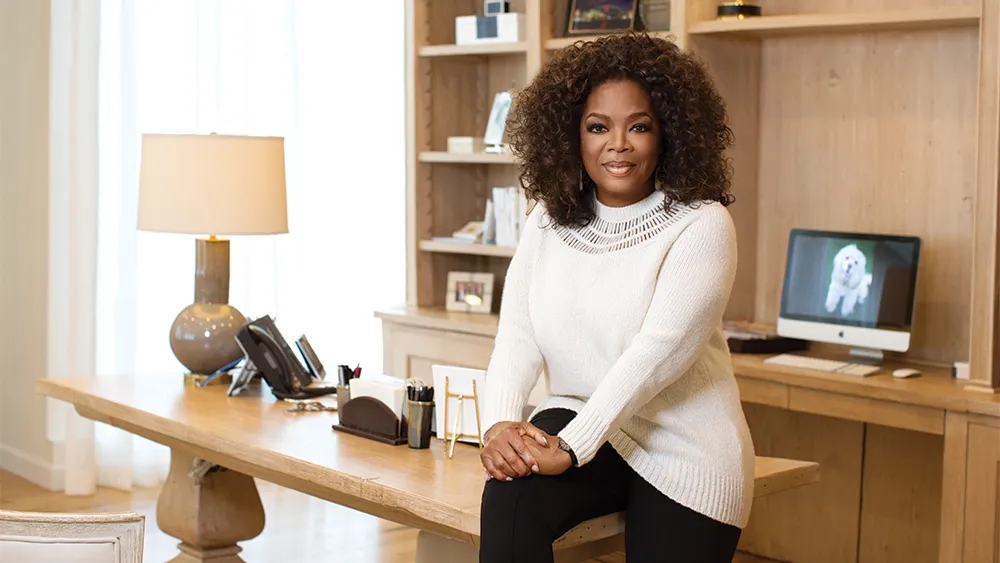
The dark truth about narcissistic traits Oprah conceals through carefully managed public relations and strategic philanthropy
The Self-Centering Media Empire: Everything Carries Her Name
Every single venture in Oprah’s empire centers on one person: Oprah.
The Oprah Empire Breakdown
| Venture | Self-Centering Element |
|---|---|
| The Oprah Winfrey Show (1986) | Name is literally the product. 48 million weekly viewers; 25 seasons; 150 countries. |
| Harpo Productions (1986) | Company name is “Oprah” spelled backwards. Production powerhouse. |
| O, The Oprah Magazine (2000) | 200+ covers featuring herself—every single issue for 20 years. |
| Oprah’s Book Club (1996) | Personal taste elevated to cultural authority. 55 million books sold; 59 of 70 became bestsellers. |
| OWN – Oprah Winfrey Network (2011) | Network named after herself. 80 million homes reached. |
| Super Soul Sunday (2011) | Positioned herself as spiritual authority. |
| Oprah Winfrey Scholars Program | Personal name attached to education and university scholarships. |
| Oprah’s Favorite Things (Annual) | Personal preferences drive markets. |
| Oprah Daily (2021) | Continued personal branding on digital platform. |
| Weight Watchers Stake (2015) | Personal weight struggle turned into business. 10% ownership; board seat. |
Two hundred magazine covers featuring yourself. Not occasionally. Every single issue for 20 years.
“I am the master of my fate. I am the captain of my soul.”
The “Oprah Effect”: Platform Power She Refuses To Acknowledge
Her influence extended beyond entertainment into measurable real-world impact, wielded with minimal accountability.
The Oprah Effect Breakdown
| Impact Area | Documented Effect & Problem |
|---|---|
| Political Impact | Obama endorsement: ~1 million additional votes. Unmatched individual political power. |
| Literary Impact | 59 of 70 book club selections became bestsellers. Gatekeeping concentrated in one person. |
| Economic Impact | Texas cattle lawsuit ($10.3M) after “won’t eat hamburgers.” Words moved markets without accountability. |
| Pseudoscience: The Secret | Magical thinking pushed as solution. Blames victims for circumstances. |
| Health Misinformation: Jenny McCarthy | Anti-vaccine platform. Dangerous views legitimized. |
| Health Misinformation: Suzanne Somers | Hormone therapy claims promoted. Unverified medical advice spread. |
| Predator Platform: John of God | Featured and promoted healer later convicted of 600+ rapes (370-year sentence). |
| Spiritual Authority | “Church of O” positioning. Quasi-religious cult of personality. |
“When one person’s endorsement can make or break products, books, careers, and even political candidates, we’ve created a system where platform abuse becomes almost inevitable, even if unintentional.”— Dr. Gad Saad, evolutionary psychologist
But was it unintentional? She chose to promote The Secret, magical thinking that tells abuse survivors they “attracted” their trauma. She chose to give Jenny McCarthy anti-vaccine platform. She chose to travel to Brazil and endorse a faith healer later convicted of raping 600+ women.
Self-Disclosure And “Oprahfication”: Connection Or Self-Centering?
The phenomenon researchers call “Oprahfication”, public confession-style storytelling, defined her approach. She shares childhood poverty, abuse survival, and weight struggles openly.
Claims vs. Reality Analysis
| What She Claims | What Actually Happens |
|---|---|
| “I’m just like you” | Worth $2.7 billion; every venture carries her name |
| Vulnerability builds connection | Personal stories redirect attention from guests |
| Empathy from hardship | Hardship becomes branding tool |
| “If I can do it, so can you!” | Ignores systemic barriers she had help overcoming |
“The struggle of my life created empathy. I could relate to pain, being abandoned, having people not love me.”— Oprah Winfrey
Notice the framing. Even describing empathy, she centers her struggle, her pain, her abandonment. The statement is about her, not others. This pattern mirrors what we see in altruistic narcissists who use kindness as manipulation.
Self-Reflection Patterns: Analyzing Her Own Words
Narcissists craft humility narratives. Here are Oprah’s documented self-reflective statements and what they actually reveal:
Self-Reflection Analysis
| Her Statement | What It Reveals |
|---|---|
| “I am a woman in process. I am trying like everyone else.” | Self-focused even in humility claims |
| “The struggle of my life created empathy.” | Centers HER struggle in empathy definition |
| “You become what you believe.” | Positions her success as proof of superior mindset |
| “Turn your wounds into wisdom.” | Inspirational branding |
| “Self-esteem comes from making your own rules and not listening to others’ judgments.” | Rejects external accountability |
| “No difference between me and audience. At times, I have had better shoes.” | Acknowledges disparity while minimizing it |
| “I think my life is amazing. Back then, people did not think a black child could do much.” | Grandiose reframing: uniquely extraordinary |
| “When I worked on my autobiography, I stopped because it overwhelmed me.” | Convenient excuse for controlling narrative |
The autobiography abandonment is telling. She claims self-focus was “overwhelming.” But she put herself on 200 magazine covers. Named networks after herself. Positioned herself as spiritual authority.
The Autobiography Threatened Her Control
The autobiography threatened her because she couldn’t control the narrative. Not because self-focus overwhelmed her.
How She Handles Criticism, Praise, And Mistakes
Behavioral patterns under pressure reveal true character:
Behavior Under Pressure Analysis
| Situation | Assessment |
|---|---|
| Receiving Criticism | Controlled response: strategy vs. growth? Stays calm publicly; maintains iron control. (Narcissistic pattern would be: defensive rage.) |
| Opposing Views | Performance may differ from private. Respects rather than dismisses (on camera). |
| Receiving Praise | Deflection may be strategic humility. Thanks people, deflects to team publicly. |
| Credit Attribution | Others credited within her ecosystem. Highlights others’ contributions. |
| Mistakes Discussed | Selective acknowledgment. Discusses lessons learned. |
| Weight Struggles | Vulnerability serves brand. Transparent, ongoing vulnerability. |
| Apologies | Apologized to James Frey in 2011—came 5 years later after sustained criticism. |
The James Frey situation is particularly revealing. She publicly ambushed him on live TV. Publisher Nan Talese called it “mean and self-serving” with “fiercely bad manners.” Frey says he was told the topic would be “Truth in America,” a panel discussion. Then blindsided.
Five years later, she apologized for her “lack of compassion.” The apology came only after sustained criticism of her handling. Not from genuine remorse.
Key Relationships: Strategic Assets Or Genuine Connections?
Narcissists can maintain strategic long-term relationships. The question is the nature of those relationships.
The Maya Angelou Mentorship
The Gayle King Friendship (47+ Years)
The Stedman Graham Partnership (38+ Years)
These relationships may be genuine. But they’re also strategically beneficial. Each provides something for the brand without threatening her dominance. This mirrors patterns seen in pro-social narcissists who maintain relationships that serve their image.
Demonstrated Empathy: Real Or Situational?
This is where defenders point: her documented empathy across 25 years of interviews.
“Oprah’s strength is being real and open. Her deep empathy stems from personal hardships. She uses her pain to connect, not manipulate. I’ve watched her create psychological safety that allows genuine healing.”— Dr. Robin Smith, psychologist and former show guest
Empathy Indicators Analysis
| Observable Behavior | Critical Question |
|---|---|
| Active Listening: Emotional mirroring, nodding, eye contact | Consistent or performed? |
| Psychological Safety: Guests share trauma openly | On-camera skill vs. off-camera behavior? |
| Body Language: Warmth communicated nonverbally | Trained media professional? |
| Healing Advocacy: Promotes growth, professional help | Advocacy serves brand? |
| Colleague Testimonials: “Consistent kindness, caring leader” | Some contradict with “demanding” accounts |
| Interview Distinction: Listening skills set her apart | Professional skill, not necessarily character? |
But here’s the critical question: Is the empathy consistent across contexts?
| Public Empathy | Private Pattern |
|---|---|
| Warmth with guests on camera | Quick firings; demanding standards with staff |
| Emotional mirroring in interviews | Ambush of James Frey when convenient |
| “I believe the women” statements | Abandoned Russell Simmons accusers under pressure |
| Promoted John of God as “inspiring” | No accountability after 600+ rape convictions |
| “Deep empathy from hardships” | Used hardship as branding more than healing |
Situational empathy, present when useful, absent when inconvenient, is a narcissistic pattern. Research on covert narcissism confirms this selective empathy as a key identifier.
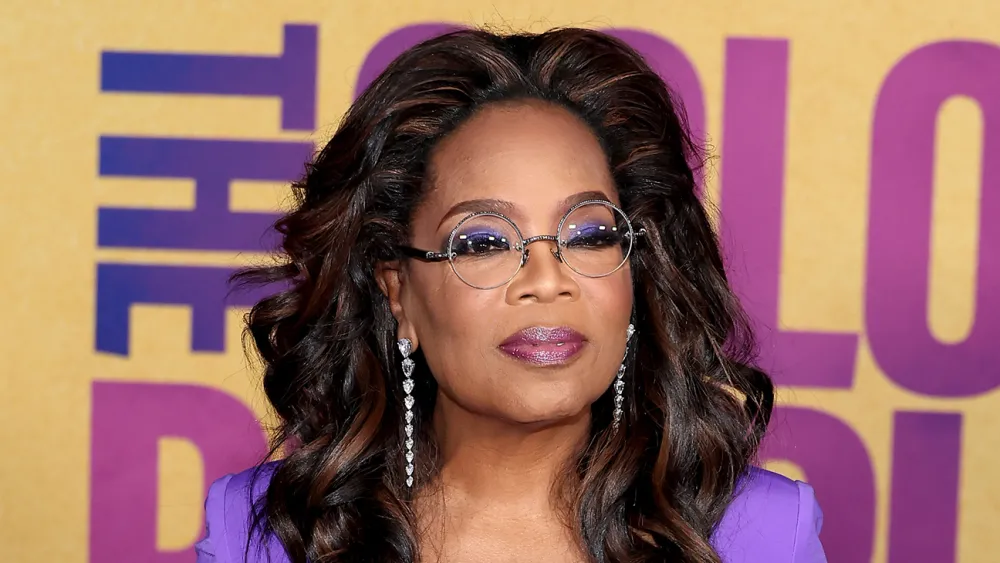
Uncovering the manipulative interview techniques and control patterns Oprah employs while maintaining her caring brand image
Public Versus Private Persona: The Mask Slips
This is where the narcissist pattern becomes clearest: the gap between public image and private reality. Understanding covert narcissists’ public vs private behavior reveals how carefully these personas are constructed.
Public vs. Private Persona Evidence
| Public Image vs. Private Reality | Credibility |
|---|---|
| Former Employees: “Warm, caring leader” vs. Quick firings; demanding standards; fear culture | Medium (employment grievances common) |
| Staff NDAs: “Open and authentic” vs. Tight narrative control; silencing mechanisms | Medium (standard practice vs. concealment) |
| James Frey Confrontation: “Accountability” vs. Publisher called it “mean and self-serving”; ambush | High (documented, witnessed) |
| Hermès Incident: Victim of racism vs. Arrived 15 minutes after closing; expected exception | High (facts documented) |
| Russell Simmons Documentary: “I believe the women” vs. Withdrew with 20 minutes notice when pressured | High (documented, accusers confirmed) |
| John of God Promotion: “Exploring healing” vs. No accountability for promoting convicted predator | High (600+ victims) |
| Weinstein Proximity: “Didn’t know” vs. Photographed at multiple events; close professional relationship | High (photographic evidence) |
“I wish she were real, but she isn’t. From being pals with Weinstein to abandoning and destroying Russell Simmons’ victims, she is about supporting a sick power structure for personal gain. She is as fake as they come.”— Rose McGowan, #MeToo activist and Weinstein accuser
“When you have been part of the problem for decades but suddenly they all think you’re the solution.”— Seal, posted with photo of Oprah kissing Weinstein’s cheek
The Complete Controversy Timeline
Patterns reveal character. Here’s the full record:
Controversy Timeline
| Year & Event | What It Reveals |
|---|---|
| 1990s: KKK Platform — Featured KKK members on show; changed direction after backlash | Controversy as content; adapted when criticized |
| 1996: Texas Cattle Lawsuit — $10.3M suit after “won’t eat hamburgers”; defended free speech; won | Stood by convictions under pressure |
| 2005: Hermès Paris — Denied entry after closing; called it “one of the most humiliating moments of her life”; later urged viewers to buy products | Expected exception; victimhood narrative; then forgiveness performance |
| 2006: James Frey Confrontation — Public ambush; publisher called her “mean and self-serving”; apologized in 2011 | Cruelty masked as accountability; late image-repair apology |
| 2007: The Secret Promotion — Pushed magical thinking: thoughts create reality | Blames victims for circumstances; profitable pseudoscience |
| 2007: Jenny McCarthy Platform — Anti-vaccine misinformation aired | Dangerous views legitimized |
| 2007: Leadership Academy Abuse — Matron charged with 13 counts against students; flew to South Africa; hired investigators; fired headmistress | GENUINE ACCOUNTABILITY: exception to pattern |
| 2009: Suzanne Somers Platform — Promoted hormone therapy claims | Unverified medical advice to millions |
| 2010: John of God Feature — Traveled to Brazil; called healer “inspiring”; O Magazine: “blissful” experience. After 600+ accusations, 370+ year sentence: “I empathize with the women now coming forward” | Promoted convicted predator; distancing statement only |
| 2013: Zurich Handbag — Shop assistant refused $38,000 bag; said show “obviously not shown in Zurich”; Swiss tourism office apologized | Expected recognition everywhere |
| 2018-2020: Weinstein Associations — Photographed kissing his cheek; Kadian Noble says he used Oprah to gain trust before assault; response: “If we make this just about Harvey Weinstein, we will have lost this moment” | Deflection; shifted focus from proximity |
| 2020: Russell Simmons Documentary — Withdrew from accusers’ film with 20 minutes notice citing “inconsistencies.” Drew Dixon: “I am being silenced.” | Abandoned accusers when powerful man pushed back |
| 2024: Maui Fires — Community criticized celebrity response; engaged in community response | PR crisis management |
The Leadership Academy response stands out as genuine accountability: the exception proving the rule. In most other controversies, the pattern is deflection, victimhood framing, or late apology for image management.
Philanthropic Track Record: Genuine Or Performative?
$400-500 million in documented giving. Impressive. But motivation matters. Understanding covert narcissist false altruism helps distinguish genuine giving from performative charity.
Philanthropic Analysis
| Initiative | Critical Observation |
|---|---|
| Leadership Academy for Girls (2007) — $40M campus; free education for South African students | $40M campus with her name; abuse scandal; intensive personal branding |
| Oprah’s Angel Network (1998-2010) — $80M+ raised globally; schools/scholarships | Network carries her name |
| Oprah Winfrey Scholars — University scholarships | Personal name attached |
| Time’s Up Donation (2018) — Gender discrimination advocacy | High-visibility giving |
| N Street Village (Ongoing) — Homeless/low-income women’s shelter, D.C.; sustained commitment | LOW-VISIBILITY GIVING: contradicts pattern |
| Car Giveaway (2004) — 276 Pontiac G6 vehicles; iconic moment | Sponsors paid; she got credit |
| Clinton Foundation — Health and education globally | Association with power |
| Smithsonian Donations — African American Museum | Legacy building |
| Total Documented — $400-500+ million; third-party verified | Mix of genuine and performative |
“Oprah uses her foundation to bring people together and turn ideas into action. Her giving isn’t performative. It’s sustained, strategic, and personally engaged over decades.”— Caroline Underwood, the Philanthropy Company
She describes watching Leadership Academy graduations as “one of the greatest rewards in her life”, giving “with the same excitement as when she gave out cars on TV.”
Same excitement. It’s all performance to her.
The N Street Village giving is notable: low-visibility, sustained, no name attached. This contradicts the performative pattern. Narcissism isn’t all-or-nothing; genuine giving can coexist with strategic giving. Critics have noted the tension between her self-reliance messaging and systemic inequality.
Comparing Oprah To Other Alleged Celebrity Narcissists
Context clarifies distinctions. Research on famous narcissists reveals common patterns across high-profile figures:
Celebrity Narcissism Comparison
| Celebrity | Comparison to Oprah |
|---|---|
| Donald Trump (Grandiose) | Similarities: Media dominance; self-branding. Key difference: Overt vs. communal; no service orientation. |
| Kanye West (Grandiose) | Similarities: Self-reference; God complex claims. Key difference: Volatile vs. controlled; erratic behavior. |
| Ellen DeGeneres (Communal) | Similarities: “Be kind” brand; philanthropy focus. Key difference: Workplace allegations more documented. |
| Steve Jobs (Productive) | Similarities: Empire building; perfectionism. Key difference: Product focus vs. personality focus. |
| Martha Stewart (Communal) | Similarities: Lifestyle authority; brand-building. Key difference: Product-centered vs. personality-centered. |
| Dr. Phil (Grandiose) | Similarities: Talk show platform; advice-giving. Key difference: Created by Oprah; more exploitation allegations. |
| Elon Musk (Grandiose) | Similarities: Media dominance; empire building. Key difference: No service orientation; overt self-promotion. |
Oprah fits the communal narcissism pattern, achieving validation through appearing exceptionally giving rather than through overt self-promotion. The culture of celebrity shapes how these traits manifest.
Third-Party Assessments: What Those Who Know Her Say
Third-Party Assessment Summary
| Source | Assessment & Nuance |
|---|---|
| Biographers (High credibility) | “Known for authenticity and caring.” Nuance: “Struggles balancing brand with business.” |
| Peer Reviews (Medium credibility) | “Kind, strong leader, role model.” Nuance: “Strong brand can overshadow message.” |
| Colleague Testimonials (Mixed credibility) | “Consistent kindness; valuable advice.” Nuance: Some report demanding behavior. |
| Audience Perception (Low credibility) | “Honest, relatable, inspiring.” Nuance: Parasocial relationship distortion. |
| Dr. Robin Smith (High credibility) | “Strength is being real and open.” Professional psychological assessment. |
| Rose McGowan (High credibility) | “As fake as they come.” Direct experience with Weinstein proximity. |
| Seal (Medium credibility) | “Part of the problem for decades.” Limited direct knowledge. |
| Expert Consensus (Medium credibility) | Mixed: some see NPD traits, others don’t. “Emotional intelligence differentiates.” |
Charisma Versus Narcissism: The Critical Distinction
Understanding the difference between benevolent narcissists and genuinely charismatic leaders requires examining motivation and impact:
Charismatic vs. Narcissistic Leader Comparison
| Trait | What I Observe In Oprah |
|---|---|
| Primary Focus — Charismatic: Audience connection. Narcissistic: Self-promotion. | Self-branded “audience connection” |
| Empathy Capacity — Charismatic: High emotional intelligence. Narcissistic: Low or absent. | Present on camera; situational otherwise |
| Core Motivation — Charismatic: Inspire and empower. Narcissistic: Personal validation. | Mixed: stated vs. demonstrated |
| Vulnerability Display — Charismatic: Shows weakness authentically. Narcissistic: Hides flaws defensively. | Vulnerability serves brand |
| Praise Response — Charismatic: Deflects to team. Narcissistic: Absorbs, seeks more. | Strategic deflection |
| Criticism Response — Charismatic: Considers thoughtfully. Narcissistic: Rage or injury. | Controlled public; demanding private |
| Relationship Pattern — Charismatic: Mutual, supportive. Narcissistic: Exploitative, discarding. | Long-term but strategic |
| Platform Use — Charismatic: For causes and others. Narcissistic: For self exclusively. | Others elevated within her ecosystem |
| Failure Response — Charismatic: Takes responsibility. Narcissistic: Blames others. | Leadership Academy exception; otherwise deflects |
| Legacy Concern — Charismatic: Impact on others. Narcissistic: Personal monument. | Mixed evidence |
My Assessment: What The Evidence Actually Shows
Evidence Summary
| Evidence Suggesting Narcissistic Traits | Evidence Against Full Narcissism |
|---|---|
| 200+ magazine covers featuring herself | 47-year friendship with Gayle King |
| Every venture carries her name | 38-year partnership with Stedman Graham |
| “I am the master of my fate” statements | Maya Angelou mentorship: positioned as student |
| Hermès/Zurich incidents: expected special treatment | $400-500M documented philanthropy |
| Platformed predators (John of God, Weinstein proximity) | Accountability in Leadership Academy crisis |
| Abandoned Russell Simmons accusers | “Woman in process” humility statements |
| James Frey ambush; “mean and self-serving” | Apologized in 2011 (though 5 years late) |
| Staff NDAs; demanding private behavior | Dr. Robin Smith: “Strength is being real and open” |
| Autobiography abandoned to control narrative | N Street Village: low-visibility giving |
| “Church of O” spiritual positioning | Colleague testimonials of kindness |
| Self-insertion into guest interviews | Book club elevated 59 authors |
| Strategic long-term relationships | Relationships are sustained regardless |
| Situational empathy pattern | 25 years of documented empathic interviewing |
The Verdict: Yes, Significant Narcissistic Traits
Final Assessment Summary
From 7 years coaching 1,400+ survivors, the patterns are unmistakable. Survivors recognize them immediately:
- Frequent self-reference: Centers herself in shows; brand emphasizes her personal story and achievements above all else
- Pathological self-centering: Every venture carries her name; 200 magazine covers featuring herself
- Media and business dominance: Built unmatched empire around one personality
- Grandiosity masked as humility: “Just better shoes” while worth $2.7 billion
- Praise-seeking: Critics note high confidence matching grandiosity and admiration needs from clinical narcissistic personality traits
- Strategic empathy: Present on camera, situational otherwise
- Image protection over accountability: Abandoned accusers when pressured; deflected from Weinstein proximity
- Predator proximity with plausible deniability: Weinstein, John of God, Russell Simmons. Platform, distance, repeat.
- Controlled authenticity: Staff NDAs, abandoned autobiography. Shapes narratives and controls her image with iron grip.
- Entitlement: Hermès and Zurich incidents. Expected special treatment as baseline.
Public Oprah: Warm, empathic, “just like you.” Private Oprah: Demanding, quick to fire, abandoning accusers under pressure.
She built an empire on her name while claiming relatability. Platformed predators while claiming ignorance. Performs authenticity while maintaining iron narrative control.
That’s not confidence. That’s not healthy self-esteem. That’s communal narcissism: the “good person” image masking patterns that serve herself while harming others. Understanding how covert narcissists weaponize help and generosity reveals the mechanism behind this pattern.
Professional ethics guidelines prevent formal diagnosis of public figures. But the behavioral evidence speaks clearly.
The evidence says yes.
The rise of social media narcissism and platform-driven validation seeking makes understanding these patterns more critical than ever.
FAQs
Has Oprah Addressed Narcissism Claims?
She discusses leadership and personal growth. Emphasizes humility, learning from mistakes, helping others. Doesn’t identify as narcissistic.
Is Oprah’s Branding Narcissistic?
Yes, 100%. Brand uses her name and story for connection. Critics: Self-promotion. Supporters: Uses influence to help others.
How Does Oprah Compare To Other Celebrities?
Shows communal narcissism (helping others, big achievements) vs. overt narcissism (self-focus, attention-seeking) of figures like Trump and Musk. Blends influence with empathy-motivated by helping over attention.
Does Oprah Winfrey Meet The Clinical Definition Of A NPD?
No evidence supports NPD diagnosis. Clinical assessment requires private evaluation and comprehensive examination.
Why Do Some People Call Oprah Winfrey A Narcissist?
Her confidence and self-promotion, combined with personal storytelling and success focus, resemble narcissistic traits-but don’t confirm disorder.
Is It Fair To Judge Celebrities’ Personalities From Media Appearances?
Public-only judgment risks inaccuracy. Media reveals personality fragments. Experts need comprehensive information for accurate understanding.
Can Philanthropy Prove Non-Narcissism?
No-giving may enhance image or serve goals. Examine motivations and methods, not just actions.
Can I Diagnose NPD Without Clinical Access?
No. But I can identify narcissistic behavior patterns-and some actions clearly align with clinical traits documented in DSM-5 criteria.